 comparison
What Makes a Semi Truck Engine Repair Specialist Worth Choosing?
Last Updated: October 25, 2026
Quick Summary
Semi truck engine repair specialists diagnose accurately using advanced diesel-specific equipment, communicate transparently about costs and timelines, and minimize downtime through efficient service. The right specialist becomes a partner in your operation by combining diagnostic precision, honest pricing, and emergency response capabilities.
- Accurate diagnostics using heavy-duty diesel diagnostic equipment identify the exact problem before recommending repairs and avoid unnecessary parts and labor.
- Written estimates should separate parts, labor hours at a stated rate, and diagnostic fees so you can compare quotes honestly across shops.
- Three repair paths exist: component repair for single failures, in-frame overhaul for multiple wear issues, and out-of-frame overhaul for block or crank damage.
- Ask about parts availability and lead times in writing before authorizing work, as parts sourcing is the most common cause of extended downtime.
- Emergency response and roadside assistance capabilities matter because breakdowns happen outside business hours and cost revenue while trucks sit idle.
Table of Contents
- What Defines a Trusted Semi Truck Engine Repair Specialist
- Heavy-Duty Diesel Engine Diagnostics: The Foundation of Accurate Repairs
- Semi Truck Engine Repair Cost: What You Should Expect
- Semi Truck Engine Rebuild vs. Repair: Making the Right Decision
- Diesel Exhaust Aftertreatment System Maintenance and Repair
- Roadside Assistance and Emergency Response Capabilities
- Choosing Your Semi Truck Engine Repair Partner
- Frequently Asked Questions
What Defines a Trusted Semi Truck Engine Repair Specialist
When your semi-truck engine fails, the cost isn't just the repair bill, it's the revenue lost while your truck sits idle. A trusted semi truck engine repair specialist diagnoses accurately, communicates transparently, and minimizes downtime.
The difference between a good repair shop and a great one comes down to three things: diagnostic precision, honest communication about costs and timelines, and emergency capability. This guide breaks down what separates specialists who earn your loyalty from those who just turn wrenches.
Heavy-Duty Diesel Engine Diagnostics: The Foundation of Accurate Repairs
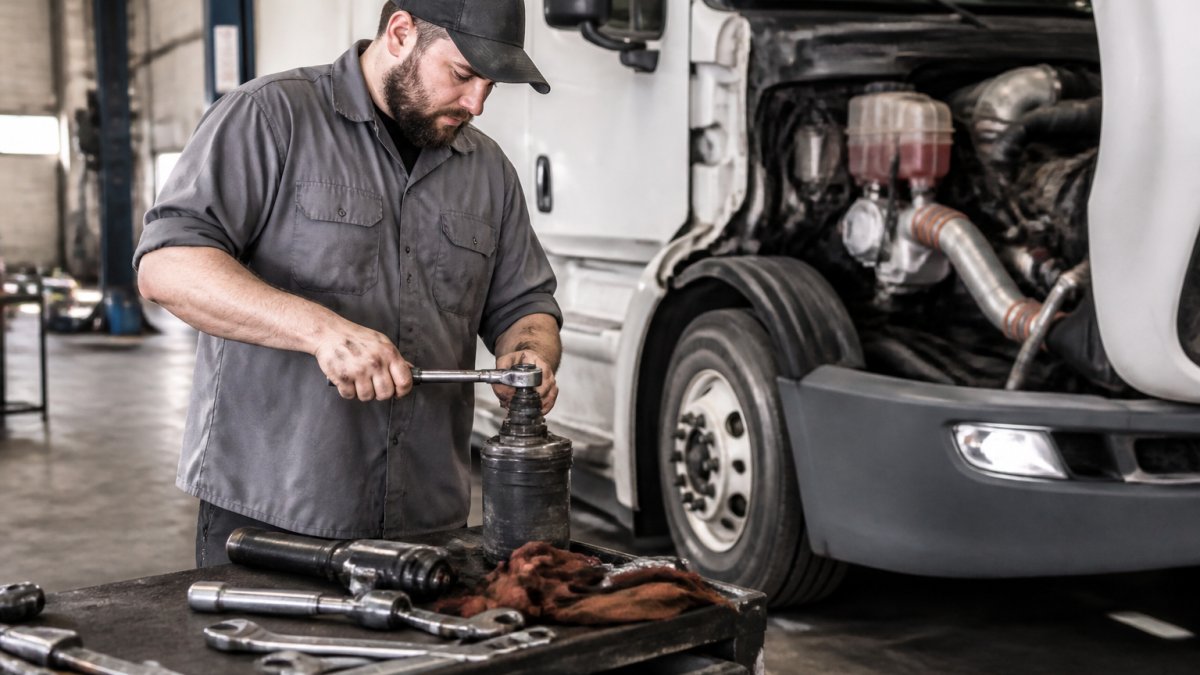
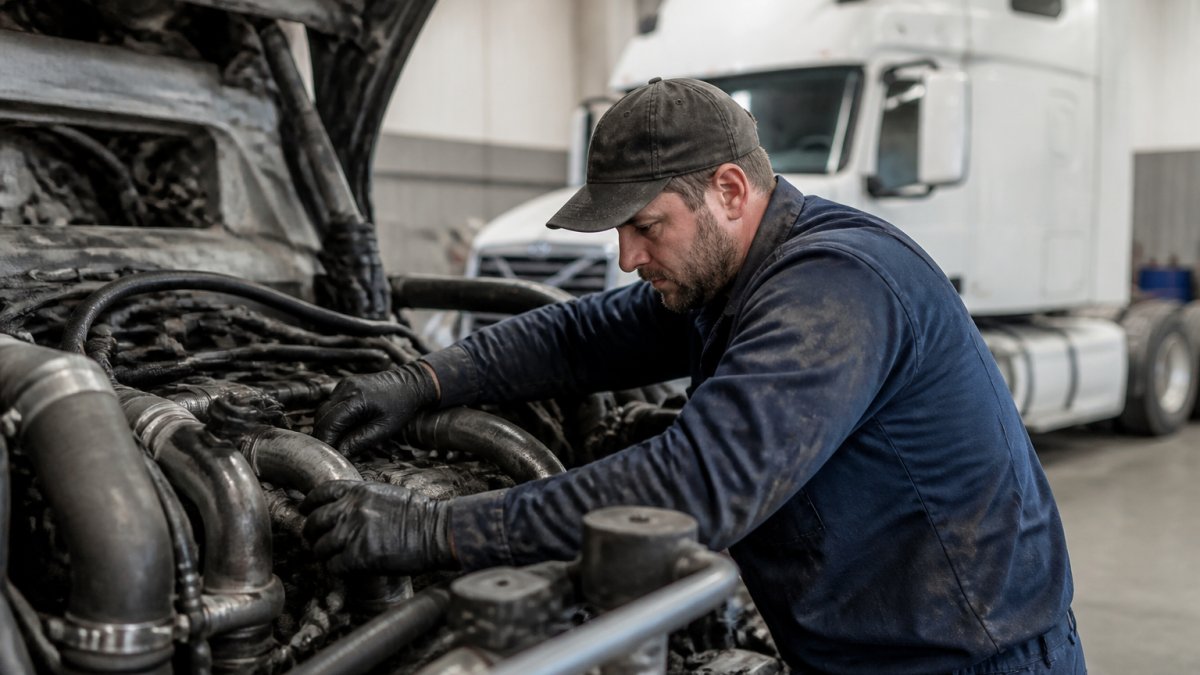
Accurate diagnostics are the foundation of reliable semi truck engine repair. A certified technician doesn't guess, they connect your engine to advanced diagnostic equipment, read fault codes, and trace problems to their source before recommending repairs.
A true semi truck engine repair specialist invests in tools that identify exactly what's wrong: a failing turbocharger, a head gasket leak, an emissions fault, or fuel injector problems.

Look for shops that use equipment specifically designed for heavy-duty diesel engines. The diagnostic report should explain the root cause, not just the symptom. You can see how Fairfield Truck Repair approaches diesel engine diagnostics to understand what professional-grade diagnostics look like in practice.
Semi Truck Engine Repair Cost: What You Should Expect
Cost transparency separates trustworthy shops from those that hide surprises in the fine print. When you contact a semi truck engine repair specialist, you should get a written estimate before work begins, not a vague "we'll call you with a number." This section gives you a framework to compare quotes apples to apples.
What Actually Drives the Bill
Repair costs on a Class 8 diesel engine are driven by five variables, and a good estimate names each one:
- Failed component and access difficulty. A fuel injector on an accessible bank is a different job from a head gasket that requires removing the cylinder head, turbocharger, and exhaust components. Labor hours, not parts, usually dominate the invoice on major work.
- In-frame versus out-of-frame work. An in-frame overhaul replaces pistons, rings, liners, and bearings with the engine block left in the chassis. An out-of-frame overhaul removes the engine entirely, which adds removal and installation labor and shop bay time.
- Parts sourcing and tier. OEM parts, remanufactured components, and aftermarket parts carry very different prices and warranty terms. Ask which tier the quote assumes, because a low quote often assumes the cheapest available part.
- Diagnostic fees. Many shops charge a diagnostic fee that is credited toward the repair if you authorize the work. Ask whether the fee is flat or hourly, and whether it is waived when you proceed.
- Emissions and aftertreatment components. DPF, SCR, DEF, and sensor work carries its own parts and labor profile and often requires specific diagnostic software subscriptions that not every shop carries.
How to Benchmark a Quote
Because published price lists are rare, benchmark by structure rather than a single number. A credible estimate separates parts, labor hours at a stated rate, and diagnostic fees, and states the warranty on parts and labor separately. If two shops quote the same job, the difference is usually in labor hours, parts tier, or exclusions, not the headline number.
Rebuild Versus Repair Economics
The largest cost decision is whether to repair a specific failure or overhaul the engine. A single component repair, an injector, a water pump, a turbocharger, is almost always cheaper short term. An overhaul makes better economic sense when multiple systems are failing at once, the engine has high mileage and repeat failures, or remaining service life justifies it. The right comparison is cost per mile over the remaining life of the truck, ask the shop to walk you through that math using your mileage and duty cycle.
Red Flags in a Quote
Watch for a shop that refuses an estimate before starting work, calls mid-repair with a dramatically higher bill without prior authorization, or quotes a single lump sum with no parts and labor breakdown. Reputable specialists put authorization thresholds in writing so you're not surprised by add-on work.
For detailed guidance on what heavy-duty truck maintenance typically costs, we've compiled a pricing reference guide that helps you benchmark quotes from multiple shops.
Semi Truck Engine Rebuild vs. Repair: Making the Right Decision
Not every engine problem requires a full rebuild. A semi truck engine rebuild means disassembling the engine, replacing worn components, and reassembling it to specification. A repair addresses a specific failure, a failed injector, a cracked head gasket, a damaged valve seat, and the engine keeps running. The decision hinges on engine condition, scope of damage, and remaining useful life, but the practical comparison most shops never give you is downtime, warranty, and parts sourcing. Here's how to evaluate all three.
Repair, In-Frame Overhaul, or Out-of-Frame Overhaul
There are three paths, not two:
- Component repair. Fixes one failure. Lowest cost and shortest downtime, but it does not address wear elsewhere in the engine.
- In-frame overhaul. Replaces pistons, rings, liners, and bearings with the block left in the chassis. Less labor and downtime than a full removal, and it restores compression and oil control across the whole engine.
- Out-of-frame overhaul. Removes the engine for a complete rebuild, including machining and inspection of the block and head. Highest cost and longest downtime, but it is the most thorough option and the right call when the block or crank needs machine work.
A specialist should tell you which of the three your failure pattern actually points to, and why.
Downtime Planning: The Cost Competitors Ignore
The repair bill is only part of the cost, downtime is revenue lost while the truck sits. Ask each shop for a written timeline broken into diagnosis, parts lead time, and repair or overhaul labor. A component repair may be same-day or next-day if the part is in stock; an in-frame overhaul typically takes several days of bay time; an out-of-frame overhaul can run into weeks, especially with machine work or backordered parts.
Plan around the truck, not just the invoice. If an overhaul overlaps peak shipping season, downtime cost can exceed the difference between repair and rebuild. A good specialist helps you schedule major work around your operating calendar and tells you honestly if a repair buys enough time to defer the overhaul.
Warranty and Parts Sourcing
Warranty terms differ sharply between repair and overhaul, and they should influence the decision. Ask three questions before you authorize either path:
- What is covered? Parts only, labor only, or both? For how long, and is the term measured in months or miles?
- What are the exclusions? Many warranties exclude consequential damage, failures caused by unrelated components, and work performed on customer-supplied parts.
- What parts tier is used? OEM, remanufactured, and aftermarket components carry different prices and different warranty backing. A remanufactured engine or component often carries its own manufacturer warranty that may be separate from the shop's workmanship guarantee.
A specialist who explains these terms upfront is telling you how they stand behind the work.
The Decision Framework
Use these criteria side by side:
- Engine age and mileage. A newer engine with one major failure usually favors repair. An older engine with multiple simultaneous failures favors overhaul.
- Failure pattern. One isolated failure points to repair. Repeat failures across different systems point to wear throughout the engine.
- Remaining service life. If you plan to keep the truck for years, an overhaul's cost per mile can beat chasing repairs. If the truck is near retirement, repair what is needed and plan the exit.
- Downtime tolerance. Match the timeline to your operating calendar, and confirm parts lead times before committing.
- Warranty value. Compare what each path's warranty actually covers, not just how long it lasts.
A good specialist walks you through this decision honestly, explaining the repair option, the overhaul options, and the trade-offs.
Three repair paths exist, each with different costs, timelines, and outcomes.
| Repair Path | Scope | Downtime | Best For |
|---|---|---|---|
| Component repair | Fixes one failure only | Same-day or next-day | Single isolated failures |
| In-frame overhaul | Replaces pistons, rings, liners, bearings in chassis | Several days | Multiple wear issues |
| Out-of-frame overhaul | Complete rebuild with block and head machining | Weeks | Block or crank damage |
Diesel Exhaust Aftertreatment System Maintenance and Repair
Modern diesel engines require sophisticated emissions control. The aftertreatment system includes the diesel particulate filter (DPF), selective catalytic reduction (SCR) system, and associated sensors.
DPF clogs are common. The filter traps soot, and when it reaches capacity, the engine enters limp mode.
SCR systems inject diesel exhaust fluid (DEF) to reduce nitrogen oxide emissions.
When choosing a semi truck engine repair specialist, ask about their experience with diesel exhaust aftertreatment systems.
Roadside Assistance and Emergency Response Capabilities
Breakdowns don't happen during business hours. They happen at midnight on I-80, in a snowstorm, with a load that's due in four hours.
Ask potential repair partners directly: if your truck breaks down at 2 AM, can you actually reach someone? Do they have mobile units, or must you arrange a tow?
Fairfield Truck Repair provides roadside and emergency services because we understand that fleet downtime is lost revenue.
The best roadside programs include preventive support too.
Choosing Your Semi Truck Engine Repair Partner
Your choice of semi truck engine repair specialist affects your bottom line.
Learn more about heavy-duty truck repair services to understand what a full-service specialist offers and how to evaluate whether they're the right fit for your operation.
The cheapest quote isn't always the best value.
Choosing the right repair partner starts with accurate diagnostics, honest pricing, and reliable emergency response. Fairfield Truck Repair combines specialized diesel engine expertise with transparent communication and roadside capabilities.
Frequently Asked Questions
What should I ask a semi truck engine repair specialist before authorizing work?
Ask about their diagnostic process and whether they'll provide a written estimate before starting work. Request details on parts sourcing, warranty coverage on repairs, and their experience with your specific truck make and model. Confirm their technician certifications and ask how they minimize downtime. A reputable specialist will explain findings clearly and discuss repair versus replacement options before proceeding.
How long does a semi truck engine rebuild typically take?
A full semi truck engine rebuild takes time, depending on engine condition, parts availability, and complexity. Timelines vary based on whether components need ordering. Ask your specialist for a specific timeline upfront so you can plan fleet operations and arrange backup equipment if needed.
Is it better to repair or replace a semi truck engine?
That depends on engine age, mileage, repair cost, and your operation's timeline. A heavy-duty diesel engine diagnostics assessment will reveal whether the damage is localized (repair candidate) or systemic (rebuild or replacement makes more sense). Generally, if repair costs are substantial compared to a replacement engine's price, rebuilding or replacing can become more economical long-term, especially if the engine has high mileage.
Can a diesel engine specialist diagnose aftertreatment system problems accurately?
Yes, but only if they have specialized diagnostic equipment for diesel exhaust aftertreatment systems. These systems are complex and require specific training and tools to diagnose correctly. A qualified specialist will test emissions components, check sensor readings, and identify whether the issue is a clogged DPF, faulty SCR system, or sensor malfunction. Always confirm they have aftertreatment expertise before booking service.