how-to
Signs Your Heavy Duty Truck Needs Service: 8 Warning Signs
Table of Contents
- Why Early Warning Signs Matter for Your Heavy Duty Truck
- Unusual Noises: What Your Engine and Brakes Are Telling You
- Truck Brake Service Warning Signs You Should Never Ignore
- Dashboard Warning Lights and What They Mean
- Vibrations, Steering Difficulty, and Heavy-Duty Truck Suspension Problems
- Exhaust Smoke, Overheating, and Loss of Power
- Your Heavy-Duty Truck Preventive Maintenance Schedule
- Semi-Truck Maintenance Checklist: What to Check Before Reporting a Problem
- Frequently Asked Questions
Last Updated: October 17, 2026
Why Early Warning Signs Matter for Your Heavy Duty Truck
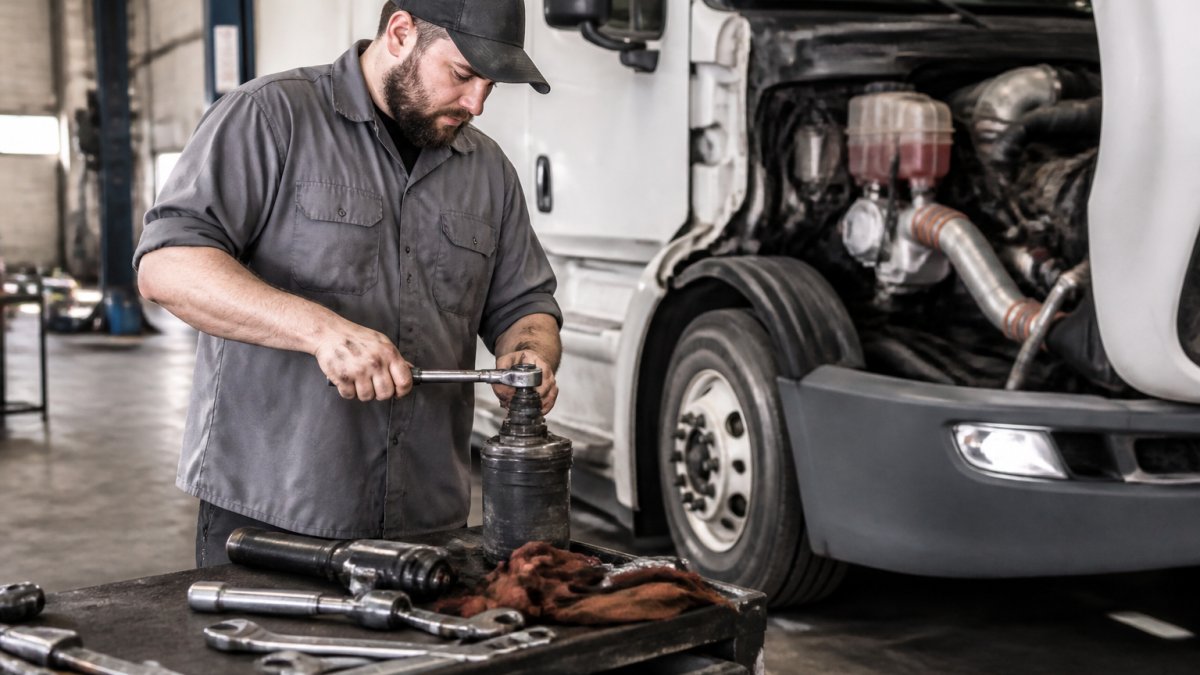
A heavy-duty truck rarely fails without warning. Most breakdowns start as small symptoms that drivers ignore for weeks.
This guide from Fairfield Truck Repair covers the eight warning signs that matter most.
A heavy duty truck is a commercial vehicle built for sustained hauling and high mileage, which means wear happens faster and failures cost more.
That's the throughline here. Every sign is a chance to act before a cheap fix becomes an expensive one.
Unusual Noises: What Your Engine and Brakes Are Telling You
Noise is the first warning most drivers notice, and the type of sound points to the system in trouble. Squealing usually means brake shoes are worn. Grinding means metal is contacting metal and you've waited too long.
Listen for these:
- Squealing when braking: worn brake shoes
- Grinding under braking: brake components past their limit
- Ticking or knocking from the engine: internal wear or low oil
- Hissing near the wheels: an air pressure leak in the braking system
A common mistake is turning up the radio. Noise doesn't fix itself. A grinding brake today is a brake job and possibly a drum replacement next week.
Truck Brake Service Warning Signs You Should Never Ignore
Brake problems are the most safety-critical signs on this list.
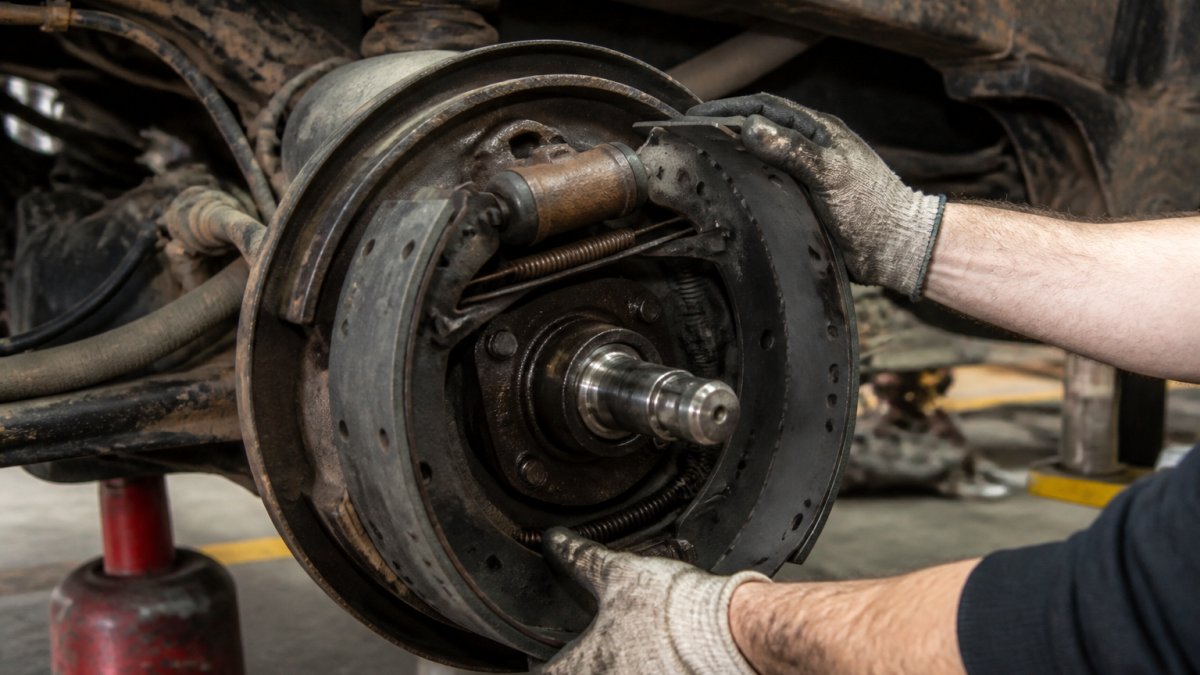
Air pressure is the one drivers underestimate. In an air-braked truck, a slow pressure drop means the system has a leak somewhere.
These truck brake service warning signs should trigger a call the same day:
- Brake pedal feels soft or sinks toward the floor
- Stopping distance has increased noticeably
- Truck pulls to one side when you brake
- Air pressure drops and won't hold steady
If any of these appear, stop driving the truck and arrange service. The Federal Motor Carrier Safety Administration brake inspection guidance treats brake defects as out-of-service violations for good reason.
Dashboard Warning Lights and What They Mean
Dashboard warning lights are your truck's built-in diagnostic system, and each color signals a different urgency level. Red means stop. Amber means service soon. A flashing light is always more urgent than a steady one. But the color alone doesn't tell you what to do, the light's system symbol and the conditions under which it appeared do.
Treat them this way:
- Red lights: stop and diagnose before driving further
- Amber lights: schedule service at the next safe window
- Flashing lights: pull over and check immediately
- Service warning reminders: book the maintenance inspection
Match the Light to the System
Most heavy-duty dashboards group warning lights by the system they monitor. Knowing which system a light belongs to narrows the likely cause before a technician ever plugs in a scan tool.
- Brake system lights (typically a red or amber circle with parentheses, or the words BRAKE or AIR): low air pressure, a parking brake still engaged, or an ABS fault. A red brake light with a pressure gauge dropping is a stop-now condition.
- Engine and aftertreatment lights (check engine, DEF, DPF): emissions and fuel-system faults. A steady amber check-engine light usually allows you to reach a service bay; a flashing one indicates a misfire or active regeneration problem and should be treated as stop-soon.
- Coolant temperature and oil pressure lights: red by design. Pull over safely and shut down. Overheating or low oil pressure can destroy an engine in minutes, not miles.
- Transmission and drivetrain lights: often amber, sometimes accompanied by a derate or limp mode. Note whether the truck limited speed or torque, that detail matters to the technician.
What You Can Safely Check Before Calling
You don't need a scan tool to gather useful information, and you shouldn't try to clear codes to make a light go away, that hides the symptom, not the cause. A proper diagnosis finds the real fault. What you can do safely:
- Note the exact light, its color, and whether it is steady or flashing
- Check the air pressure gauge and note whether pressure holds or bleeds down
- Look at coolant and oil levels only when the engine is cool and the truck is parked on level ground
- Note whether the light appeared at startup, under load, during a regen, or after a hard brake application
When a Light Means Stop Now
Some lights are non-negotiable. A red brake light with falling air pressure, a red oil-pressure light, a red coolant-temperature light, or a flashing check-engine light all warrant pulling over at the first safe location. Continuing to drive on these can turn a sensor or seal replacement into an engine or brake-system overhaul.
Don't clear a code to make the light go away. That hides the symptom, not the cause. A proper diagnosis finds the real fault.
Vibrations, Steering Difficulty, and Heavy-Duty Truck Suspension Problems
Vibration and steering trouble usually trace back to the suspension, tires, or steering linkage. A truck that pulls, wanders, or shakes is telling you something is worn or out of balance.
Common heavy-duty truck suspension problems show up as:
- Vibration through the steering wheel or seat
- Steering difficulty or a loose, wandering feel
- Uneven tire wear across the tread
- An unstable ride, especially when loaded
- Clunks or bangs over bumps
Uneven tire wear is the tell most drivers miss. It points to alignment or suspension repair needs before a tire blows. Vibration that gets worse under load often means a worn component is flexing under stress.
Exhaust Smoke, Overheating, and Loss of Power
Colored exhaust smoke, rising temperature, and a drop in power are engine-side warnings. Each smoke color means something different, and none of them should be ignored.
Read the smoke:
- Black smoke: too much fuel or restricted air intake
- White smoke: coolant entering the combustion chamber
- Blue smoke: engine oil burning
Overheating often pairs with coolant loss or a failing thermostat. Loss of power, especially under load, can point to fuel delivery, turbo, or aftertreatment system trouble. A fluid leak of any kind, whether engine oil, coolant, or transmission fluid, deserves a check before it becomes a breakdown.
Your Heavy-Duty Truck Preventive Maintenance Schedule
A heavy-duty truck preventive maintenance schedule turns surprise repairs into planned ones. The exact intervals depend on your duty cycle, mileage, and manufacturer guidance, so confirm the numbers in your service manual. What most schedules miss is the link between routine intervals and the warning signs above, every symptom in this guide is easier and cheaper to address when it's caught at a scheduled inspection rather than on the shoulder.
Mileage, Engine Hours, and Duty Cycle
Heavy-duty trucks are often scheduled by engine hours as well as miles, because idle time and PTO work wear components without adding odometer miles. A truck that idles heavily or runs short-haul can accumulate engine hours far faster than a long-haul unit covering the same miles. Most fleets track both and set intervals against whichever limit arrives first. Confirm the specific numbers in your manufacturer's service literature, they vary by engine platform, aftertreatment configuration, and duty cycle.
A practical baseline looks like this:
| Interval | What to Check |
|---|---|
| Daily, pre-trip | Brake air pressure build-up and hold, tires and pressures, lights, fluid levels, visible leaks, exhaust smoke on start |
| Weekly | Brake adjustment, belt and hose condition, air dryer operation, tire wear pattern |
| Monthly | Suspension and steering play, wheel-end inspection, battery and charging system |
| Per service manual (mileage or engine hours) | Engine oil and filter, coolant, transmission and differential fluid, fuel and air filters, aftertreatment inspection |
| Annually | Full DOT inspection, brake service review, HVAC inspection, safety-system check |
Tie Intervals to the Warning Signs
The schedule isn't a separate topic from the symptoms, it's how you catch them early.
- Brake air pressure and adjustment checked daily and weekly catch the slow leaks and drift that show up later as a soft pedal or longer stopping distance.
- Tire wear pattern checks at monthly intervals catch the alignment and suspension problems that otherwise appear as vibration or a pulling truck.
- Coolant and oil level checks at every pre-trip catch the leaks that precede overheating and colored exhaust smoke.
- Aftertreatment and filter service at manufacturer intervals prevents the derates and power loss that show up as a check-engine or DPF light.
Keep Records That Do More Than Satisfy Compliance
Service records show what's been replaced, spot repeat failures, and support compliance, but their real value is pattern recognition. If the same wheel-end or brake position keeps coming back, the record reveals it before it becomes a roadside failure. Note the date, odometer, engine hours, and the symptom or interval that triggered each visit. When a warning sign appears, that history tells the technician whether it's a new fault or a recurrence.
Skipping preventive maintenance is the fastest way to raise repair frequency and vehicle downtime. The drivers and fleets that stay ahead of breakdowns treat the schedule as the first line of defense, not a box to check.
Semi-Truck Maintenance Checklist: What to Check Before Reporting a Problem
A semi-truck maintenance checklist helps you describe a problem clearly, which speeds up diagnosis and gets your truck back on the road faster.
Use this checklist:
- Note which warning lights are on, and their color
- Describe the noise: where it comes from and when it happens
- Check brake pedal feel and air pressure behavior
- Look for fluid leaks under the truck
- Note any vibration, pull, or steering difficulty
That information is exactly what a technician needs. As the Commercial Vehicle Safety Alliance inspection program shows, most out-of-service issues are detectable before they strand a truck.
When a symptom needs expert eyes, our team at Fairfield Truck Repair provides specialized diesel diagnostics and comprehensive fleet maintenance.
Frequently Asked Questions
What are the most common signs a heavy-duty truck needs service?
The most common signs include unusual engine noises, squealing or grinding brakes, dashboard warning lights, vibrations while braking, steering that pulls to one side, excessive exhaust smoke, engine overheating, and a noticeable loss of power under load. Any one of these should prompt a prompt inspection at a qualified truck repair shop to prevent a minor issue from becoming a costly breakdown.
How often is preventive maintenance required on a heavy-duty truck?
Most heavy-duty truck preventive maintenance schedules call for service every 25,000 to 30,000 miles or roughly every 3 to 6 months, depending on mileage, load, and operating conditions. Fleets running 24/7 or hauling heavy loads may need more frequent inspections. Following a documented heavy-duty truck preventive maintenance schedule helps catch small problems early and keeps your trucks compliant and on the road.
When should a heavy-duty truck be taken out of service immediately?
Take a truck out of service immediately if you notice brake pedal fade, air pressure dropping faster than normal, grinding brakes, steering that is difficult to control, or an overheating engine with steam. These are safety-critical failures that can lead to accidents or major engine damage. Call for roadside assistance or have the truck towed rather than driving it to the shop.
What should a driver check before reporting a truck problem?
Before reporting a problem, a driver should note the specific symptom, when it occurs (cold start, under load, while braking), any warning lights on the dash, fluid levels and colors, tire condition, and whether the issue is constant or intermittent. This information helps a technician diagnose the problem faster, reducing downtime and avoiding unnecessary parts replacement.
A truck that fails on the road costs you a load, a driver's day, and a repair bill that grows by the hour. The signs above give you time to act, but only if you report them early. Fairfield Truck Repair offers expert heavy-duty truck repair, specialized diesel diagnostics, comprehensive fleet maintenance, and roadside service to keep your fleet moving. Get started with Fairfield Truck Repair and turn surprise breakdowns into scheduled service.