 Comparison
Pit Shop Auto Repair Alternatives for Fleet Operators
Table of Contents
- Why Independent Auto Repair Shops Outperform Chain Alternatives
- Fleet Maintenance Programs: Building Cost Predictability
- Diesel Engine Diagnostics: The Foundation of Reliable Repairs
- Minimizing Fleet Downtime Through Preventative Service
- Evaluating an Auto Repair Shop: A Practical Checklist
- Cost-Benefit Analysis: Independent Shops vs. Dealerships
- Roadside Assistance and Emergency Support for Commercial Fleets
- Conclusion
- Frequently Asked Questions
Last Updated: September 30, 2026
Why Independent Auto Repair Shops Outperform Chain Alternatives
Independent shops outperform chains and other auto repair alternatives because they specialize in heavy-duty vehicles and build long-term relationships with clients.
Independent shop owners have a reputation stake in getting it right, they diagnose thoroughly instead of replacing parts until something works.
Fleet managers switching to specialized independent shops cut maintenance costs while improving reliability because independent shops lack corporate overhead and focus on doing one thing exceptionally well.
Fleet Maintenance Programs: Building Cost Predictability
Fleet maintenance programs convert variable costs into predictable monthly expenses, enabling accurate budget planning.
A structured maintenance program establishes fixed service intervals tied to vehicle mileage or calendar time, for example, oil changes every 15,000 miles, transmission fluid inspection every 30,000 miles, coolant flush every 100,000 miles, and major component inspections annually or every 50,000 miles.
Independent shops build custom programs based on your specific vehicle types, usage patterns, and operational demands. A highway fleet has different brake wear than an urban delivery fleet. A good independent shop adjusts the schedule accordingly, so you're not paying for unnecessary services.
Scheduled maintenance prevents catastrophic failures and bulk pricing reduces per-service costs. Emergency roadside repairs cost 40-60% more than scheduled shop maintenance due to towing fees and after-hours surcharges.
An emergency fuel injector repair costs $1,200-$1,800 with towing; scheduled maintenance costs $400-$600. A 10-truck fleet with 2-3 emergency repairs annually spends $2,400-$5,400 extra compared to preventative scheduling at $600-$1,000 per truck annually.
Ask the shop for a written schedule showing service intervals, estimated costs, and how the program adapts to mileage changes. A shop that can't articulate this in writing is offering a vague promise.
Diesel Engine Diagnostics: The Foundation of Reliable Repairs
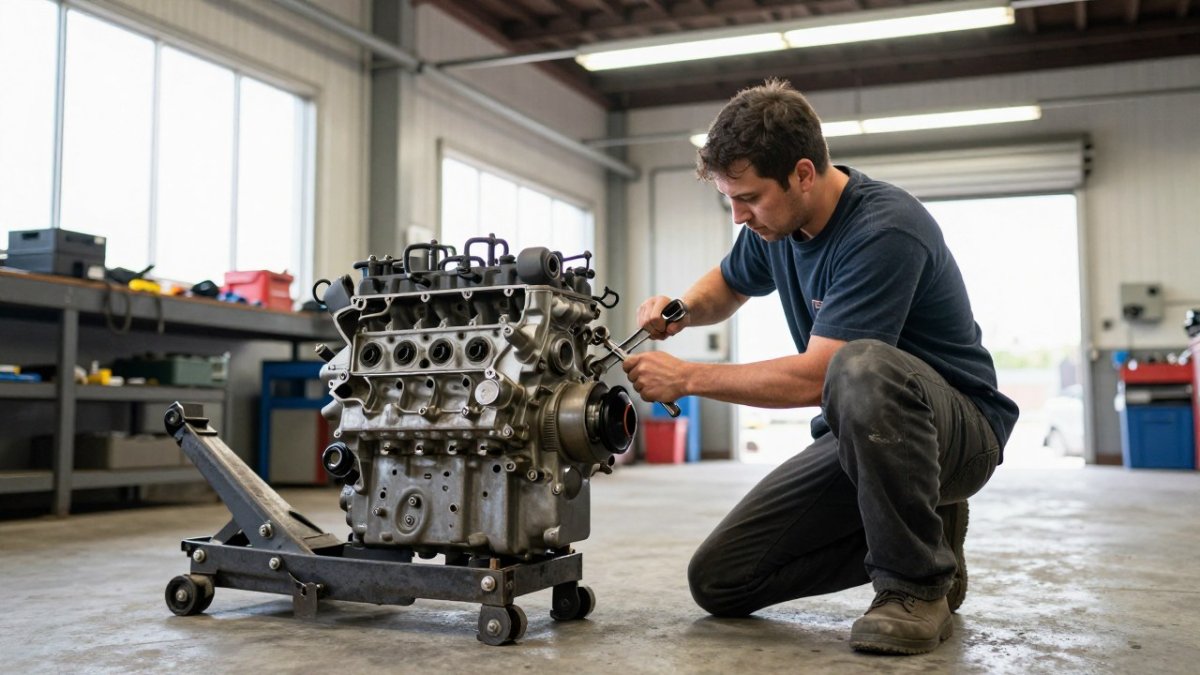
Diesel engines require specialized diagnostic equipment and technician training that not all shops possess.
Reading and interpreting engine control module data correctly separates competent shops from excellent ones.
Shops without proper diagnostic equipment replace expensive components hoping one fixes the problem. Shops with real diesel diagnostics capability identify the actual root cause.
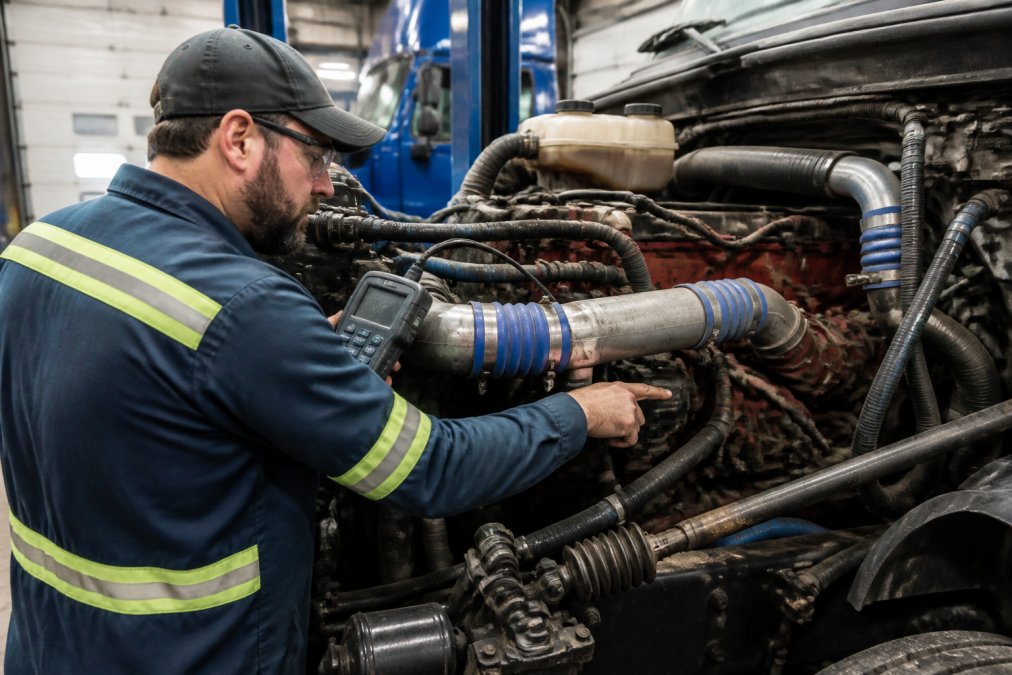
Specialized diesel diagnostics pinpoint problems accurately, so repairs address the actual issue rather than symptoms.
Minimizing Fleet Downtime Through Preventative Service
Every hour a truck sits idle costs money, downtime directly impacts revenue.
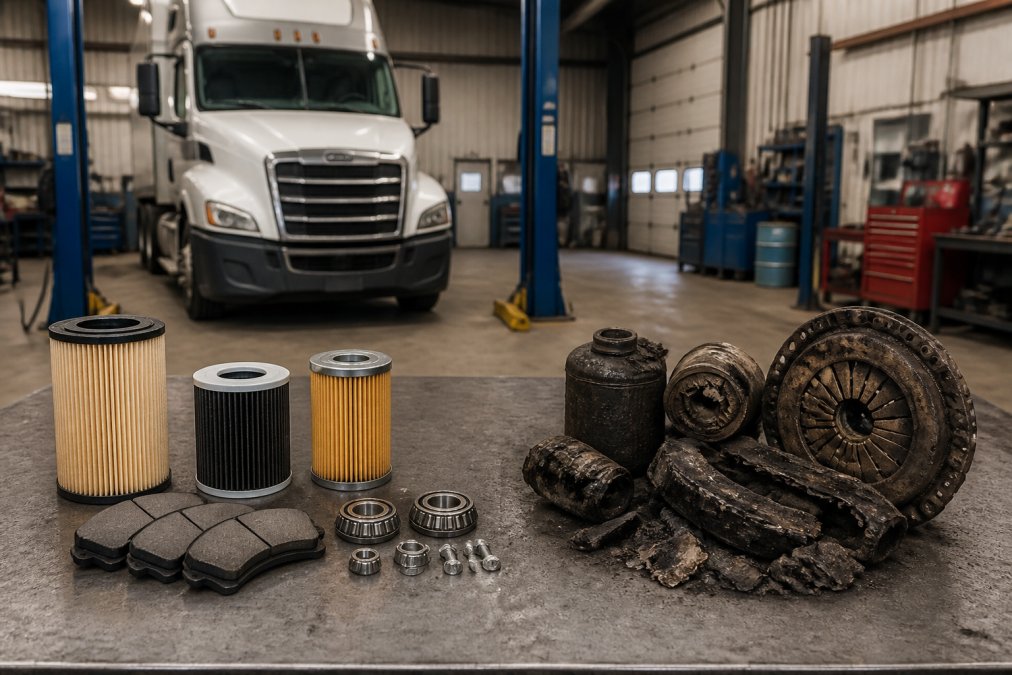
Preventative maintenance ensures parts wear out predictably rather than failing unexpectedly, allowing you to schedule service during slow periods.
The best fleet maintenance programs coordinate scheduling around your operational calendar. If you have seasonal peaks, maintenance gets scheduled during valleys. If you run 24/7 operations, the shop prioritizes quick turnarounds and can handle multiple trucks simultaneously.
Response time matters enormously. A shop that can fit your truck in within 48 hours is vastly different from one with a two-week backlog. We prioritize fleet clients because we understand that your downtime is our problem too.
Evaluating an Auto Repair Shop: A Practical Checklist
Choosing a repair shop for your fleet is a critical decision. Use this checklist to evaluate whether an independent shop or chain alternative can actually deliver what you need.
| Evaluation Criteria | What to Look For | Red Flag |
|---|---|---|
| Diagnostic capability | Modern equipment, technicians can explain findings | "We'll just try replacing this and see" |
| Fleet experience | References from other fleet operators | Only handles single vehicles |
| Warranty coverage | Written warranty on parts and labor | Verbal promises, no documentation |
| Roadside support | 24/7 emergency response capability | Only available 9-5 |
| Pricing transparency | Written estimates before work begins | Surprises after work is done |
| Technician certification | ASE certified or diesel-specific training | No formal credentials mentioned |
| Communication | Regular updates during repairs | You have to call to find out status |
| Facility condition | Clean, organized, professional environment | Cluttered, disorganized workspace |
Start by asking specific questions. How long have they been in business? What certifications do their technicians hold? Can they provide references from other fleet operators? A good shop will answer confidently. A mediocre one will be vague.
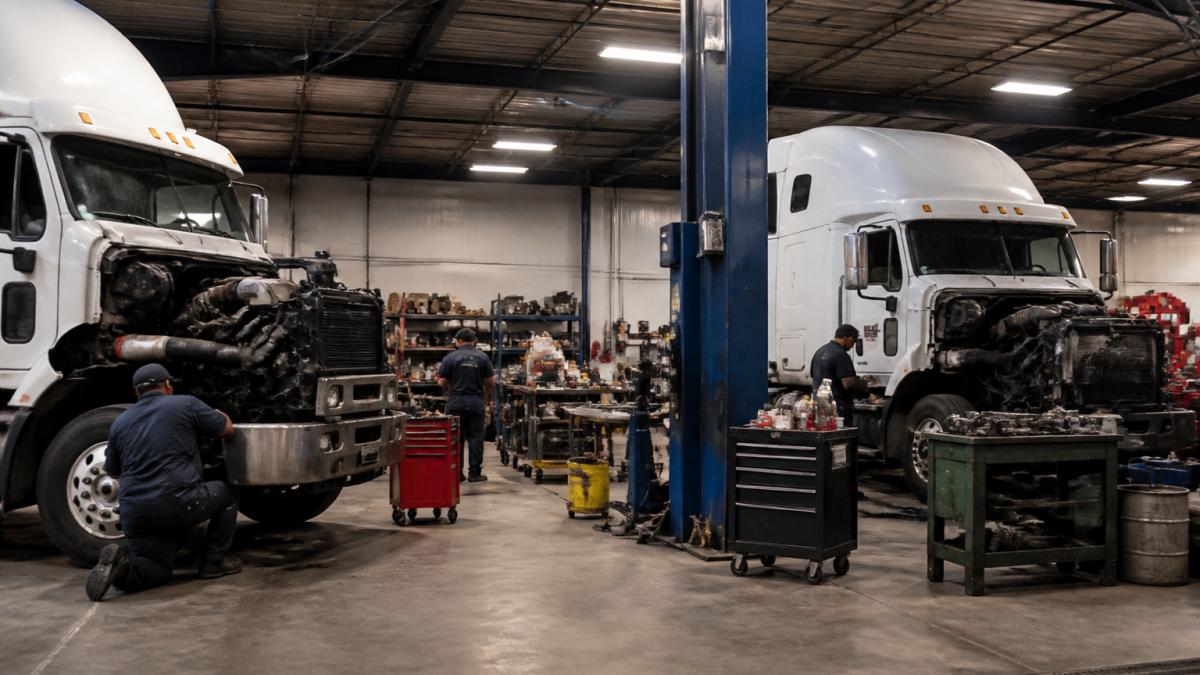
Visit the facility in person. A well-run shop is organized, clean, and professional. Technicians should be able to explain what they're doing in terms you understand. If the owner seems defensive about how they work, that's a warning sign.
Cost-Benefit Analysis: Independent Shops vs. Dealerships
Dealerships and chain alternatives operate on different models than independent shops. Understanding these differences helps you make the right choice for your fleet.
Dealerships charge premium labor rates. They have corporate overhead, brand recognition costs, and manufacturer requirements that drive up their expenses. Their technicians are trained on specific vehicle lines. If you run mixed fleets, you'll need multiple dealerships.
Independent shops have lower overhead. They don't have corporate layers or marketing budgets. They can compete on price while maintaining quality because their cost structure is leaner. For specialized work like heavy-duty diesel repair, independent shops often have deeper expertise than generalist dealerships.
Chain alternatives fall somewhere in the middle. They have standardized processes and training, which provides consistency. They also have corporate overhead that independent shops don't carry. For fleet work, they're rarely the best choice because they lack specialization.
Consider total cost of ownership, not just hourly labor rates. A shop that diagnoses correctly saves you thousands in unnecessary parts and labor. A shop that catches problems early through preventative maintenance saves you emergency repair costs. An independent shop with fleet expertise typically delivers the lowest total cost.
According to industry fleet maintenance analysis, fleets using specialized independent shops report 15-20% lower annual maintenance costs compared to dealership-only approaches. The savings come from accurate diagnosis, preventative scheduling, and avoiding unnecessary repairs.
Roadside Assistance and Emergency Support for Commercial Fleets
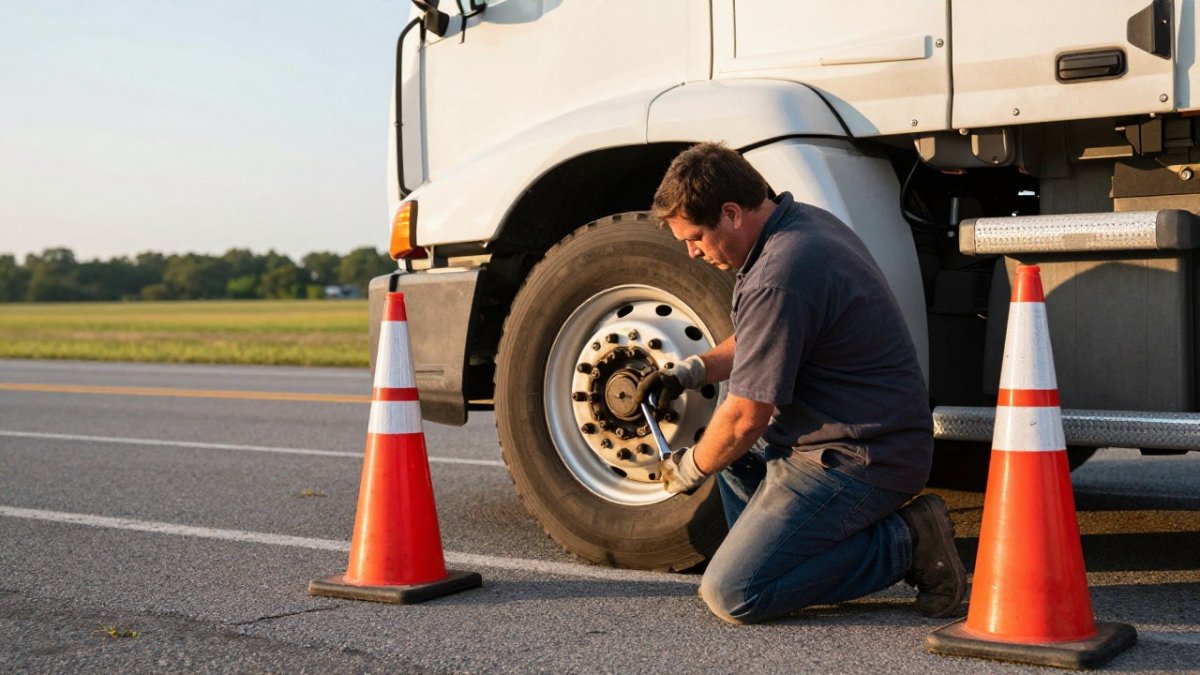
Your trucks generate revenue only when they're moving. That's when you discover whether a shop actually supports commercial operations or just handles walk-in customers. The difference between a shop that claims to offer "24/7 support" and one that actually delivers it is measurable and critical.
True fleet support means three specific capabilities: (1) a technician available to respond within 2-4 hours of a breakdown call, (2) mobile diagnostic equipment capable of reading engine codes and sensor data at the roadside, and (3) parts inventory or rapid access to common replacement components.
- What is your actual response time for fleet emergency calls? (Look for a specific number: "2 hours" or "4 hours," not "as soon as possible.")
- Do you have mobile diagnostic equipment, and can your roadside technicians access engine data? (A shop that can't read codes at roadside is guessing.)
- What is your parts availability for common diesel components? (Fuel injectors, glow plugs, sensors, filters, these should be in stock or available within 24 hours.)
- Do you have a dedicated fleet contact person available outside normal business hours? (This person should have authority to authorize emergency repairs without waiting for management approval.)
- Can you provide references from other fleet operators regarding actual emergency response times? (Call those references and ask about real incidents, not hypothetical scenarios.)
Conclusion
Pit Shop Auto Repair alternatives aren't just about finding a cheaper option, they're about finding a partner who understands commercial fleet operations. Independent shops outperform chain alternatives because they specialize in heavy-duty vehicles, provide transparent diagnostics, and commit to minimizing your downtime.
Frequently Asked Questions
What should I look for when choosing an auto repair shop as an alternative to a chain facility?
Prioritize certified technicians, transparent diagnostic practices, and a track record with your vehicle type. Ask about warranty coverage on parts and labor, request written estimates before work begins, and verify they use OEM or quality aftermarket parts. Check customer reviews specifically mentioning honesty and reliability. For commercial fleets, confirm they offer preventative maintenance programs and can handle your service intervals without extended downtime.
How does specialized diesel engine diagnostics improve fleet uptime?
Diesel diagnostics identify root causes rather than symptoms, preventing unnecessary part replacements that waste time and money. Advanced diagnostic equipment pinpoints fuel system, turbo, and emission issues quickly, reducing troubleshooting delays. Shops with diesel expertise complete repairs right the first time, minimizing return visits. For fleet operators, this means vehicles return to service faster and unexpected breakdowns decrease significantly.
What are the main cost differences between independent shops and dealerships for truck repair?
Independent shops typically charge lower labor rates and offer flexibility on parts selection, reducing overall repair costs by 20-40% on average jobs. Dealerships charge premium labor rates and require OEM parts, which cost more. However, dealerships may offer manufacturer-backed warranties. For fleet maintenance programs, independent shops often provide better pricing on routine service intervals and preventative work, making them more cost-effective for recurring maintenance.
Why is roadside assistance important for commercial fleet operators?
Roadside assistance ensures your trucks aren't stranded during critical deliveries or time-sensitive jobs. Reliable providers dispatch technicians quickly for urgent repairs, preventing revenue loss from extended downtime. For 24/7 operations, having a trusted repair partner with emergency support means you can confidently run schedules without worrying about being left without help during off-hours breakdowns.