 How-to
Does Your Truck Need Extra Prep for Winter Salt?
Last Updated: November 15, 2026
Quick Summary
To prepare a truck for Ohio winter salt, pre-treat the frame and under-carriage with a protective coating before the first storm, ideally in October or early November. Then rinse the undercarriage weekly during salt season, wax the paint, and check the battery and coolant before the first freeze.
- Salt brine is more aggressive than rock salt because it sticks to frames and stays wet longer.
- Book frame pre-treatment in October or early November, before salt accumulation starts.
- During heavy salt months, rinse the truck weekly and hit the undercarriage every time.
- Wash top down and do wheel wells and undercarriage last to avoid dirtying clean paint.
- After winter, rinse the undercarriage with a salt remover and inspect frame rails and brake lines.
Table of Contents
- Why Winter Salt Destroys Trucks Faster Than You Think
- Step 1: Pre-Treat the Frame and Under-Carriage Before the First Storm
- Heavy-Duty Truck Undercarriage Protection: DIY vs. Professional Coating
- Step 2: Best Practices for Washing Fleet Trucks During Salt Season
- Step 3: Protect the Cab, Paint, and Truck Bed
- Step 4: Cold-Weather Checks on Battery, Coolant, and Wipers
- Your Winter Fleet Maintenance Checklist for the Season
- Post-Winter Cleanup: The Step Most Fleets Skip
- Frequently Asked Questions
Why Winter Salt Destroys Trucks Faster Than You Think
Winter salt is the quiet killer of work trucks. It does not need a crash or a failed engine to total a frame. Road salt and salt brine start eating metal the moment they touch it, and a truck that runs daily through Ohio slush sits in that bath for months. Salt damage shows up every spring: rusted brake lines, pitted frames, and rocker panels that look like they were sandblasted. The fix is not one big job in November. It is a routine, and this guide walks you through it step by step.
Rock Salt vs. Salt Brine: What Actually Happens to Metal
Road salt is a chunk of halite that bounces off a truck. Salt brine is a liquid pre-treatment sprayed on pavement before a storm, and it is the more aggressive of the two. Brine sticks to the frame, creeps into seams, and stays wet longer, which means the corrosion reaction keeps running. Both lower the freezing point of water, and both accelerate rust when they mix with oxygen and road grime. The practical difference: rock salt can be knocked off with a wash, while brine needs a real rinse and a pH-neutral cleaner to neutralize.
Where Corrosion Starts First on a Work Truck
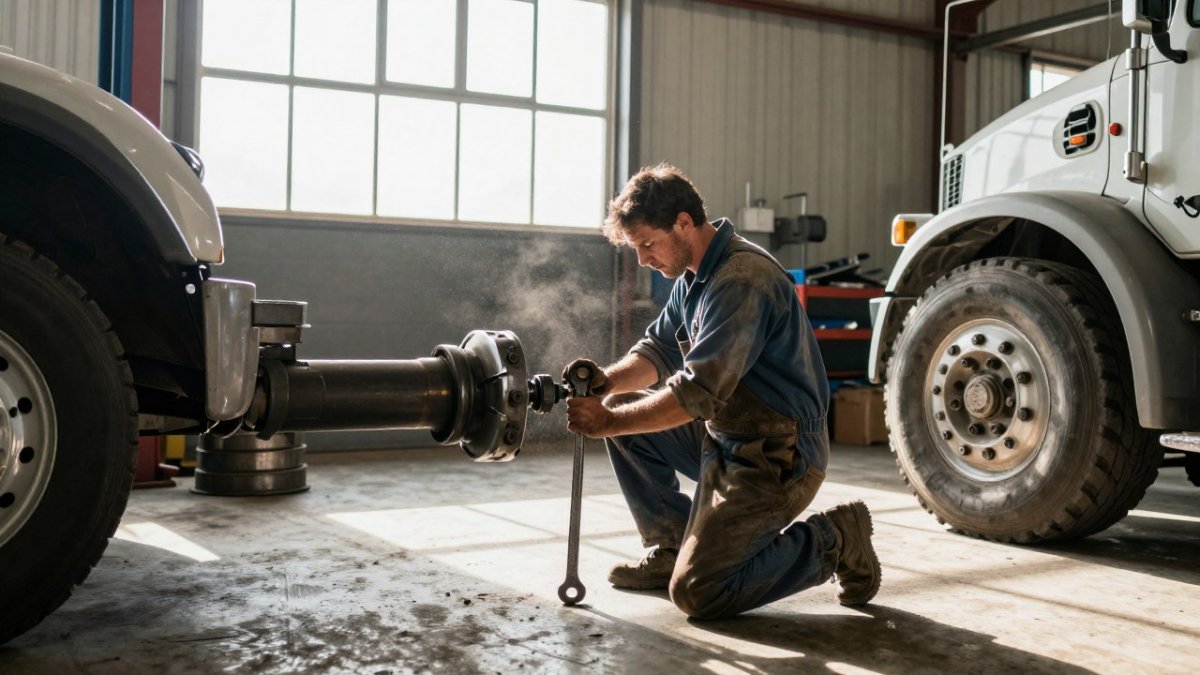
Corrosion almost never starts on the painted door. It starts underneath. Rocker panels, cab corners, wheel wells, the rear frame rails, and the bed crossmembers are the first places to go. On a heavy-duty truck, the under-carriage and chassis protection zone takes the worst of it. Road spray from the front tires drives salt into the rear suspension and the fifth wheel area. Watch out: by the time rust shows on a body panel, the frame behind it is often already compromised.
Step 1: Pre-Treat the Frame and Under-Carriage Before the First Storm
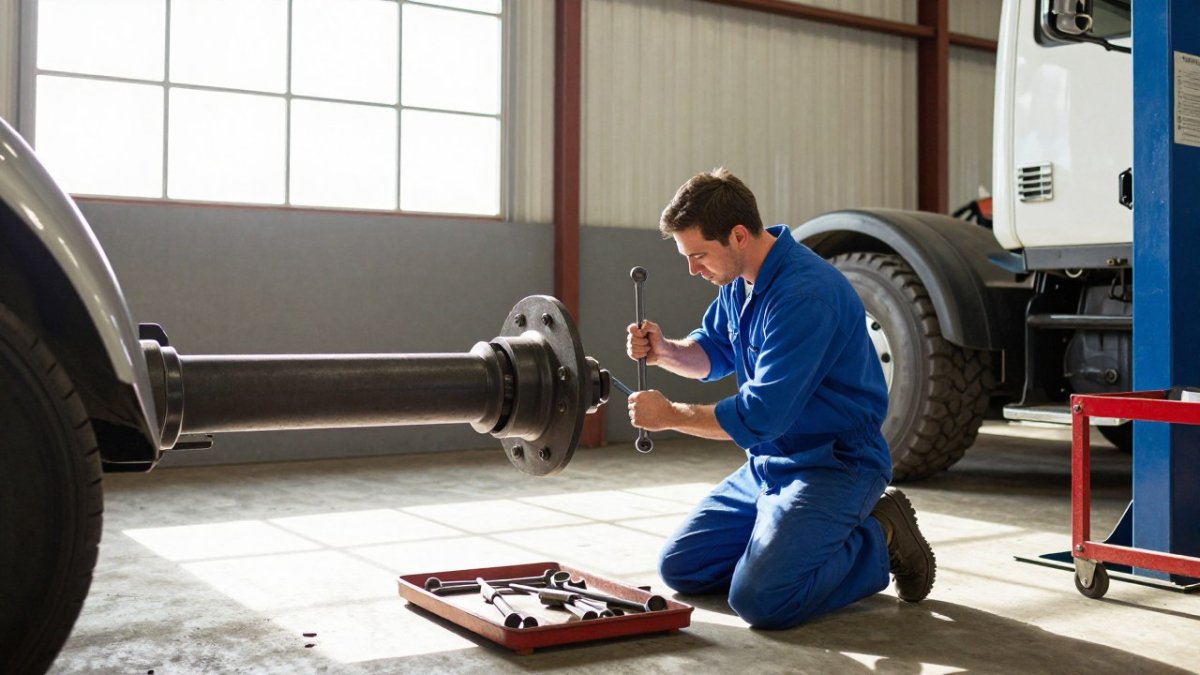
Pre-treating is one of the most cost-effective steps a fleet can take. A salt barrier applied before the first winter storm keeps brine from bonding to bare metal. Clean the frame and under-carriage first, then apply a protective coating to the chassis, crossmembers, and wheel wells. Do not coat over dirt or existing rust, because you will trap moisture and speed up corrosion.
A common mistake is waiting until after the first snow. By then, salt accumulation has already started. Book the pre-treatment in October or early November. If you want a shop to handle the undercarriage protection before the season, you can contact the shop and schedule it.
Heavy-Duty Truck Undercarriage Protection: DIY vs. Professional Coating
DIY undercoating looks simple and usually is not. A rattle-can product from a parts store gives thin, uneven coverage, and most consumer aerosols lay down a film measured in thousandths of an inch. That is not enough to survive a season of brine spray on a frame rail. The product also needs a clean, dry surface and a warm shop to cure. Most fleets try it in a cold bay and end up with a coating that flakes off by January.
The chemistry matters more than the label. Undercoatings fall into three families, and each behaves differently against salt:
-
Rubberized asphalt (tar-based): cheap, thick, and good at deadening sound, but it hardens over time and can crack, trapping moisture against the frame. Once it cracks, salt gets in and stays in.
-
Wax-based or lanolin-based (oil-film): stays soft and self-heals minor scuffs, creeps into seams, and displaces water. It needs reapplication every year or two because it wears off, and it can wash away in high-pressure spray if applied too thin.
-
Petroleum-based oil undercoating: similar creep and water-displacement behavior, with a heavier film. It attracts dust and grime, which is cosmetic but can mask a developing rust spot during inspection.
-
Coverage: a spray gun with a wand reaches the frame rails, crossmembers, inside rocker panels, and hidden seams a can cannot. The gun also lays down a consistent film thickness instead of the patchy coat a rattle can produces.
-
Prep: the surface gets washed, degreased, and dried first, which is what makes the coating stick. A shop will also mask brake rotors, exhaust, and electrical connectors so the coating does not contaminate them.
-
Cure: a heated shop lets the product cure properly before the truck goes back on the road. A coating applied in a 40-degree bay may never crosslink correctly.
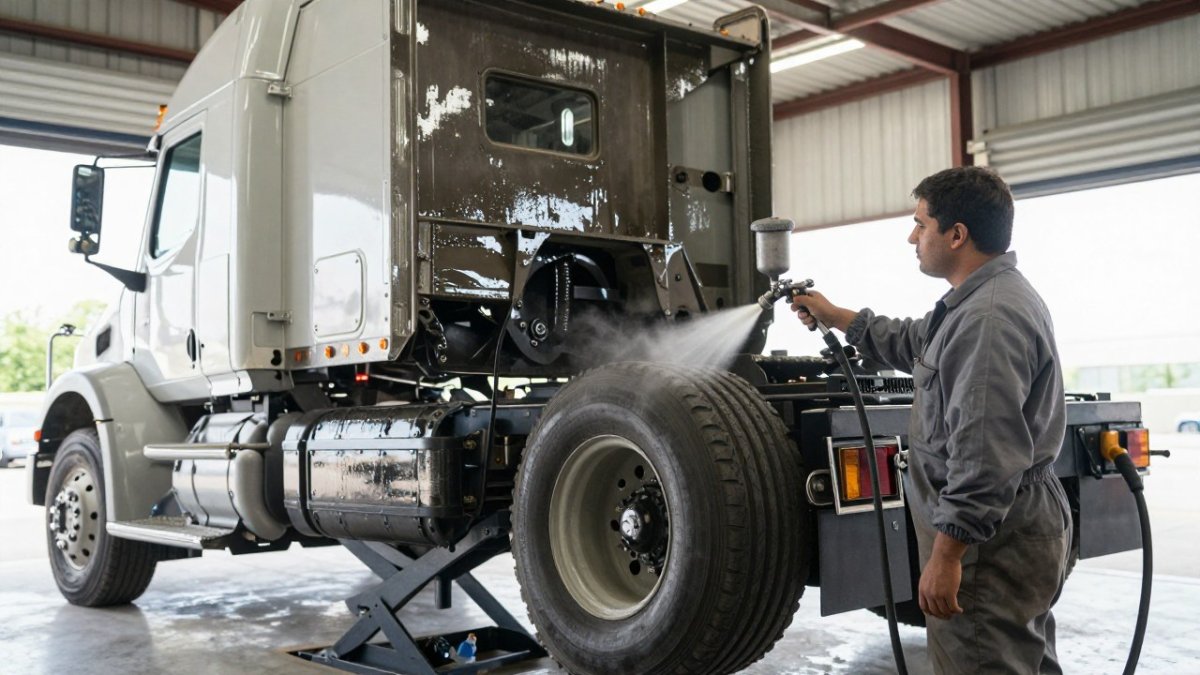
Never coat over dirt, loose rust, or an existing cracked rubberized layer. Trapped moisture speeds up corrosion from the inside out, so strip or wire-brush the loose material first before applying any coating.
If you run a fleet and want the job done once, a fleet maintenance service can apply proper undercarriage protection before salt season and log the condition of each frame for the next inspection.
Step 2: Best Practices for Washing Fleet Trucks During Salt Season
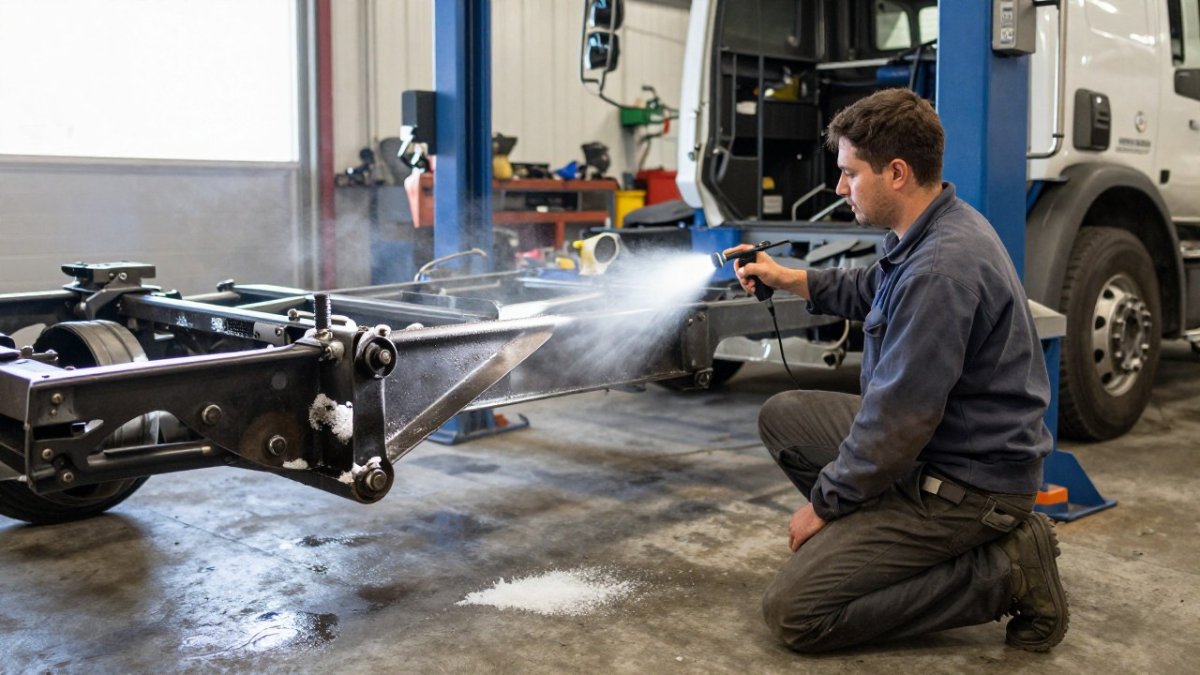
Wash frequency matters a great deal during salt season. In a heavy salt month, a work truck should be rinsed every week, and the undercarriage should get hit every time. The order is what most people get wrong: top down, then the wheel wells and under-carriage last so you are not spraying dirty water back onto clean paint.
How Often to Wash and What to Hit First
- Weekly: full rinse of the body, frame, and under-carriage during active salt use.
- After every storm: a quick undercarriage rinse, especially after a brine event.
- First targets: wheel wells, rocker panels, rear frame rails, and the fifth wheel.
- Cleaner: use a pH-neutral cleaner on paint and a dedicated salt remover on the frame.
Watch out: a high-pressure wand held too close can drive water into electrical connectors and seals. Keep the nozzle moving and back off around wiring.
Step 3: Protect the Cab, Paint, and Truck Bed
Paint protection is about the clear coat. Once the clear coat is gone, salt has a direct path to the metal. A quality wax or paint sealant applied before winter gives the cab a sacrificial layer. Wash the truck before you wax it, and never wax over salt residue.
A steel bed with a worn drop-in liner will rust from underneath, where the crossmembers meet the floor, long before the top surface shows anything. The drop-in liner is the culprit: grit and salt work through the gaps, scuff the paint, and sit against bare steel.
Check the bed drain holes and keep them clear, because a bed that holds meltwater holds salt against the steel.
The tailgate and bed seams deserve their own attention. Salt spray from the rear tires drives into the gap between the tailgate and the bed, and into the seams where the bed floor meets the side panels. Rinse those seams after storms, and apply a wax or sealant to the tailgate's inner panel and the bed rails.
Watch out: a rubber bed mat laid over a damp steel floor traps moisture and accelerates rust. Dry the bed before you put the mat down, and lift the mat periodically through the winter to let it drain and dry.
Step 4: Cold-Weather Checks on Battery, Coolant, and Wipers
Cold weather exposes weak parts. A battery test before the first freeze catches a failing cell before it strands a driver. Check the coolant concentration with a refractometer, not by eye, because a weak mix can freeze and crack a block. Wiper blades should be swapped before slush season, and washer fluid should be rated for the lowest temperatures you expect.
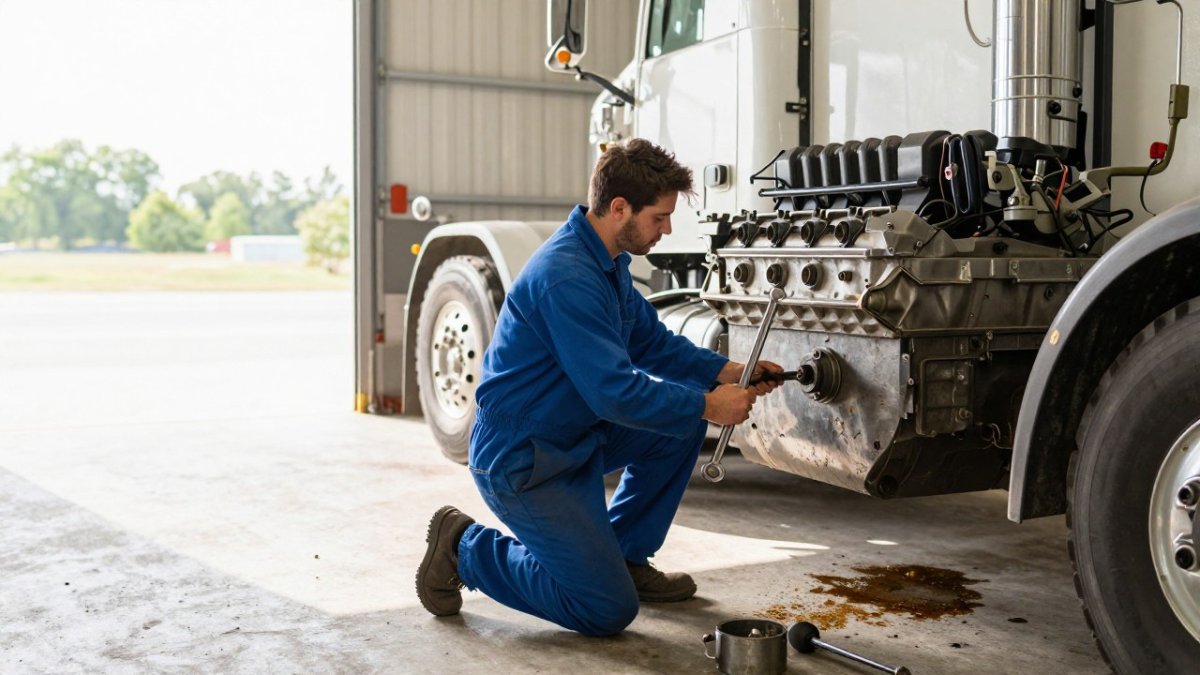
These checks are quick, and they belong on the same list as the salt work. If you want a single visit to cover the fluids and a winter-ready inspection, an oil change service can fold these checks into the same stop.
Your Winter Fleet Maintenance Checklist for the Season
Here is the checklist we would run on any fleet before the first storm.
| Task | When | Why It Matters |
|---|---|---|
| Frame and under-carriage pre-treatment | October to early November | Creates a salt barrier before brine bonds |
| Battery load test | Before first freeze | Prevents cold-start failures |
| Coolant concentration check | Before first freeze | Stops freeze damage to the block |
| Wiper blade and fluid swap | Before first snow | Keeps frozen glass clear |
| Weekly undercarriage rinse | All winter | Removes salt accumulation |
| Paint sealant or wax | Before winter | Protects the clear coat |
| Rubber floor mats and bed liner check | Before winter | Blocks slush and grime inside |
A preventive maintenance program can take many of these checks off your plate. To see how a program handles the seasonal checks for you, read about the benefits of preventive fleet maintenance programs.
Post-Winter Cleanup: The Step Most Fleets Skip
Spring is when the damage shows up, and it is also when most fleets stop paying attention. A post-winter deep clean is the step that decides whether last season's salt turns into next season's repair bill. The protocol:
- Rinse the entire under-carriage with a salt remover, not just soap.
- Inspect the frame rails, brake lines, and cab corners for surface defects.
- Touch up any chipped coating before it spreads.
- Reapply chassis protection on any bare spots.
If the inspection turns up corrosion or a cracked frame, get it looked at before it becomes a roadside breakdown. A heavy duty truck repair shop can assess salt-related damage and fix it while the truck is in the bay.
Winter salt does not have to shorten the life of your fleet. The fleets that last are the ones that pre-treat early, rinse weekly, and inspect in spring instead of waiting for a failure. Fairfield Truck Repair builds recurring maintenance programs around exactly that rhythm, with expert heavy-duty truck repair, specialized diesel diagnostics, and roadside service when a truck goes down. Get started with Fairfield Truck Repair and keep your fleet road-ready through every salt season.
Frequently Asked Questions
How often should I wash my truck to remove road salt?
During active salt season, wash the undercarriage and wheel wells at least once a week, and after any run through heavy slush or a winter storm. Above-freezing days are the best window, since doors, latches, and lines are less likely to freeze. A pH-neutral cleaner plus a focused undercarriage rinse removes salt accumulation before it bonds to the frame. Fleets running daily routes should build washing into the weekly schedule rather than waiting for visible grime.
Does salt brine cause more corrosion than rock salt?
Brine is a pre-wetted salt solution, and because it is already liquid it clings to metal and creeps into seams, brackets, and frame cavities that dry rock salt may not reach. That means brine can start corrosion sooner, especially on under-carriage parts. Rock salt still does damage once it mixes with slush. Treat both as corrosive and plan your winter salt defense around frequent rinsing and a real salt barrier coating, not around which product the state uses.
Is it necessary to apply a rust inhibitor before the first snowfall?
Yes. A rust inhibitor or undercoating works as a salt barrier only when it goes on clean, dry metal before the season starts. Applying it over existing surface defects or salt residue traps moisture and can make corrosion worse. Pre-treating in late fall, once the frame is washed and fully dry, gives you protection through the first winter storm and buys time between washes. Recheck the coating mid-season for thin spots.
What is the best undercarriage protection for heavy-duty trucks?
There is no single best product, but the decision comes down to DIY versus professional application. DIY spray-on coatings cost less upfront but often miss frame cavities and high-reach areas.