 blog
How to Choose a Semi Truck Repair Shop That Cuts Downtime
Last Updated: November 9, 2026
Quick Summary
Choose a semi truck repair shop that handles roadside assistance, engine and powertrain work, diagnostics, and trailer repair under one roof, so a breakdown never gets bounced between vendors. Compare quotes on labor, diagnostic fees, parts markup, and downtime, not just the bottom line. Confirm the shop's scan tool capability and written completion dates before you hand over your keys.
- Ask whether the diagnostic fee is credited toward the repair if you approve the work.
- Demand a written estimate that separates parts, labor, and diagnostic fees.
- A back-ordered part can turn a one-day repair into a one-week repair.
- Faults needing a lift or major component should be towed to the shop.
- Preventative maintenance turns repair into a scheduled cost you can plan around.
Table of Contents
- What a Semi Truck Repair Shop Should Handle for Your Fleet
- How Semi Truck Repair Costs Add Up and How to Compare Quotes
- Diesel Truck Diagnostics: Why the Right Scan Tool Saves You Money
- When Mobile Truck Repair Near Me Beats Towing to a Shop
- Truck and Trailer Repair Under One Roof
- Preventative Maintenance Programs vs. Fix-It-When-It-Breaks
- Book Your First Service Visit at Fairfield Truck Repair
- Frequently Asked Questions
What a Semi Truck Repair Shop Should Handle for Your Fleet
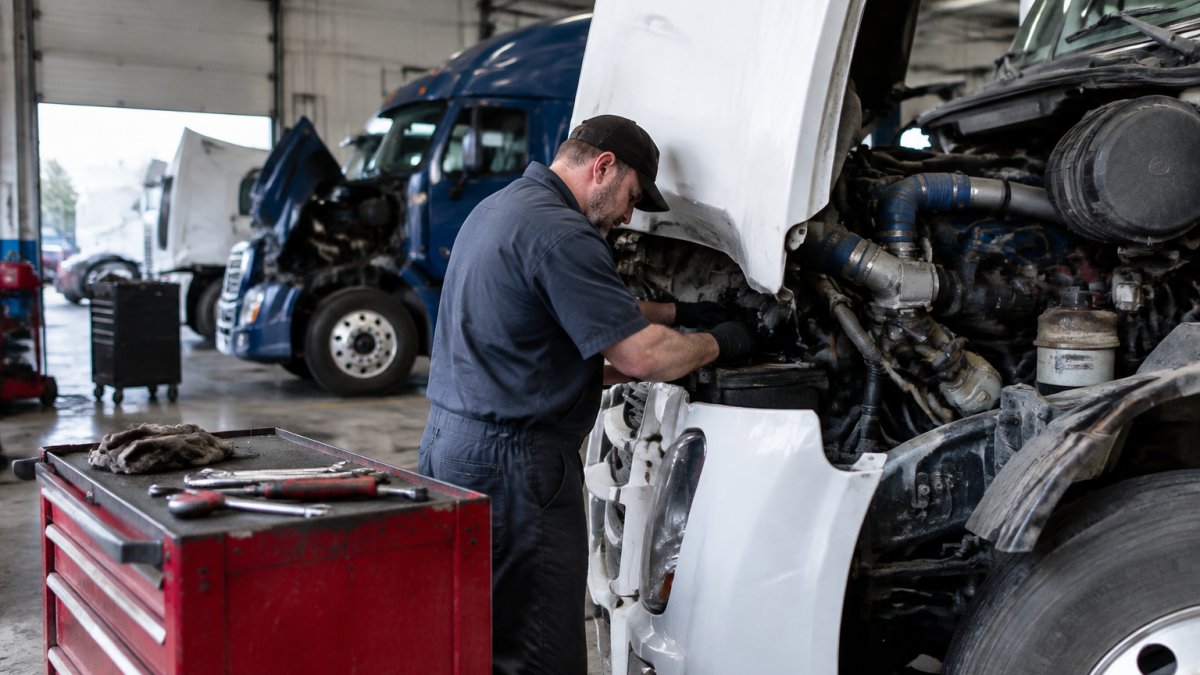
Choosing a semi truck repair shop is a downtime decision, not just a wrench-turning one. A shop that handles everything from roadside calls to trailer work keeps your trucks earning instead of sitting. A breakdown that gets bounced between several vendors can cost a fleet days. The right shop covers the whole operation under one roof.
Here is what to expect from a full-service shop, and what to demand before you hand over your keys.
Emergency Roadside Assistance and Mobile Repair
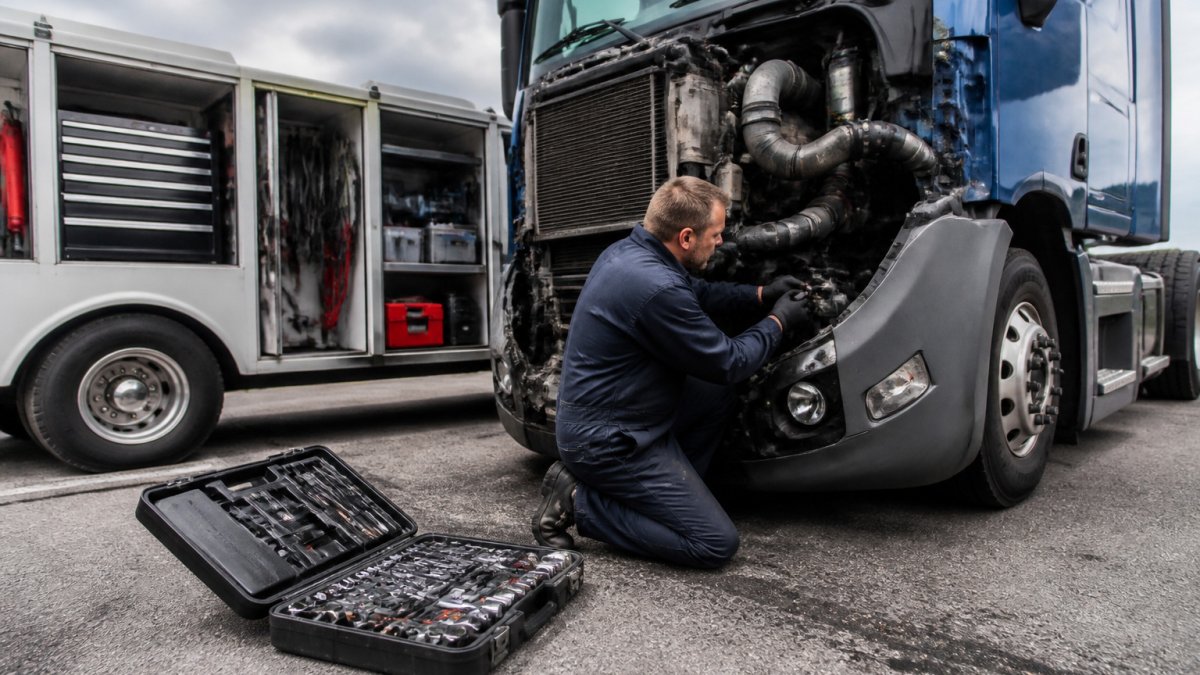
Breakdowns do not schedule themselves. A shop worth your business offers emergency roadside assistance and mobile repair, so a truck that dies on the interstate gets help without a tow bill first. Ask how fast the shop can dispatch a truck and whether the mobile unit carries enough parts to fix common failures on the spot. If the answer is vague, keep looking. You can see the roadside and emergency options we run for local fleets on our roadside and emergency service page.
Engine, Transmission, and Powertrain Work
The heavy-duty diesel engine, transmission, and powertrain are where the big money lives. Confirm that the shop handles engine diagnostics, transmission service, and drivetrain work in-house, and that its technicians are certified and equipped for air brake systems, electrical diagnostics, and fuel system repair before you commit.
How Semi Truck Repair Costs Add Up and How to Compare Quotes
Semi truck repair costs rarely come down to one number on an invoice. Labor, parts markup, diagnostic time, and downtime all stack up, and comparing quotes means comparing all four. A cheap quote that leaves your truck parked for a week can cost more than a higher quote that turns it around in a day.
Here is how each cost component typically works, so you can read a quote instead of just reacting to it.
Labor rates. Heavy-duty shops commonly bill labor by the hour at a posted rate. Ask for the posted rate in writing and confirm whether the shop bills actual time or book time. Book time can be fair on a standard job and unfair on a rusted or modified truck, so ask which method the shop uses before you approve the work.
Diagnostic fees. Many shops charge a diagnostic fee to connect a scan tool, pull fault codes, and trace the fault. The variable that matters is whether that fee is credited toward the repair if you approve the work. Ask whether the diagnostic fee is credited toward the repair if you approve the work, because the answer changes the effective cost of every visit.
Parts markup. Parts are where quotes diverge most. Ask which kind of parts a shop uses, since OEM, aftermarket, and remanufactured components can differ in markup and warranty. Ask the shop to list the part brand and part number on the estimate, and ask whether the markup is a flat percentage or varies by part category.
Downtime. Downtime is the cost fleets underestimate. A truck that sits for an extra two days loses revenue, driver hours, and scheduled loads. When you compare two quotes, compare the promised completion date as carefully as the dollar figure. Ask whether the shop has the part in stock or has to order it, because a back-ordered component can turn a one-day repair into a one-week repair.
Use this checklist when you compare shops:
- Ask for a written estimate that separates parts, labor, and diagnostic fees
- Confirm the posted labor rate and whether mobile or after-hours calls bill at a higher rate
- Confirm the diagnostic charge and whether it is credited toward the repair
- Ask for an expected completion date in writing, plus the part lead time
- Check whether the shop sources OEM, aftermarket, or remanufactured parts and how that affects the quote and warranty
- Confirm there are no surprise fees for mobile calls, shop supplies, or environmental charges
Watch out: a quote that lumps everything into one line hides the parts markup and the diagnostic fee, and that is exactly where a budget surprise comes from. Demand the breakdown before you authorize the work.
Comparing quotes means comparing all four cost components, not just the bottom line.
| Cost component | What to ask | Why it matters |
|---|---|---|
| Labor rates | Posted rate in writing; actual time or book time | Book time can be unfair on rusted or modified trucks |
| Diagnostic fees | Whether fee is credited toward the repair | Changes the effective cost of every visit |
| Parts markup | Part brand and number; flat percentage or varies | One lumped parts line hides the markup |
| Downtime | Promised completion date; part in stock or ordered | A back-ordered component can turn one day into one week |
Diesel Truck Diagnostics: Why the Right Scan Tool Saves You Money
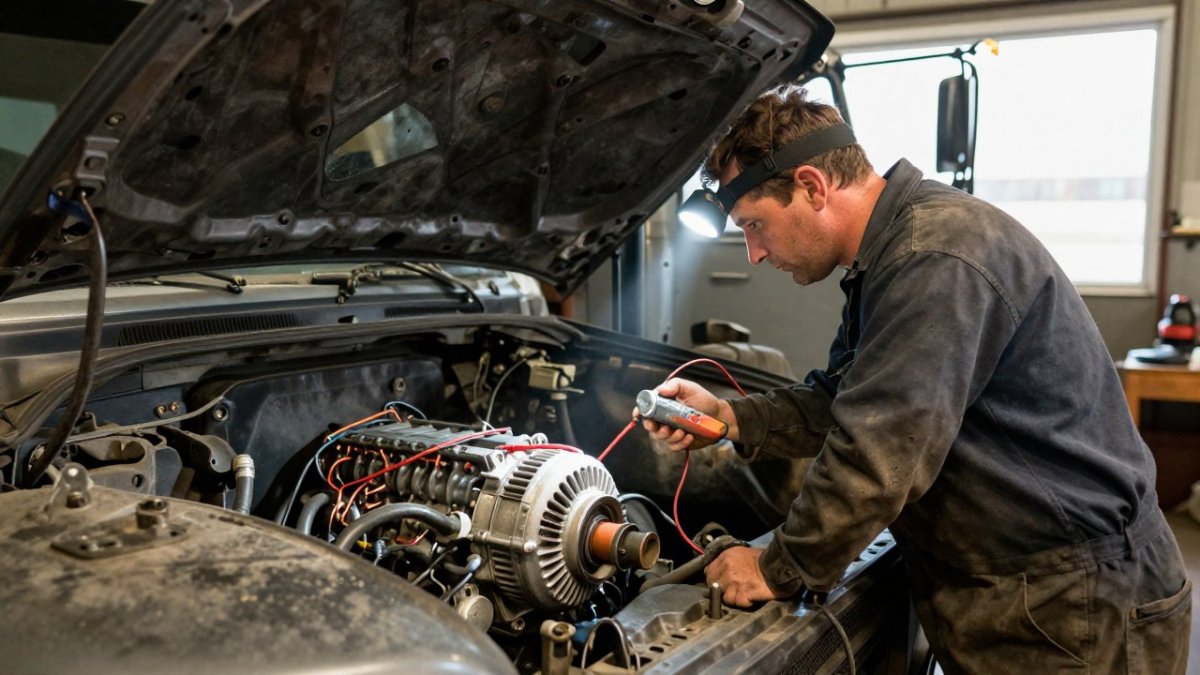
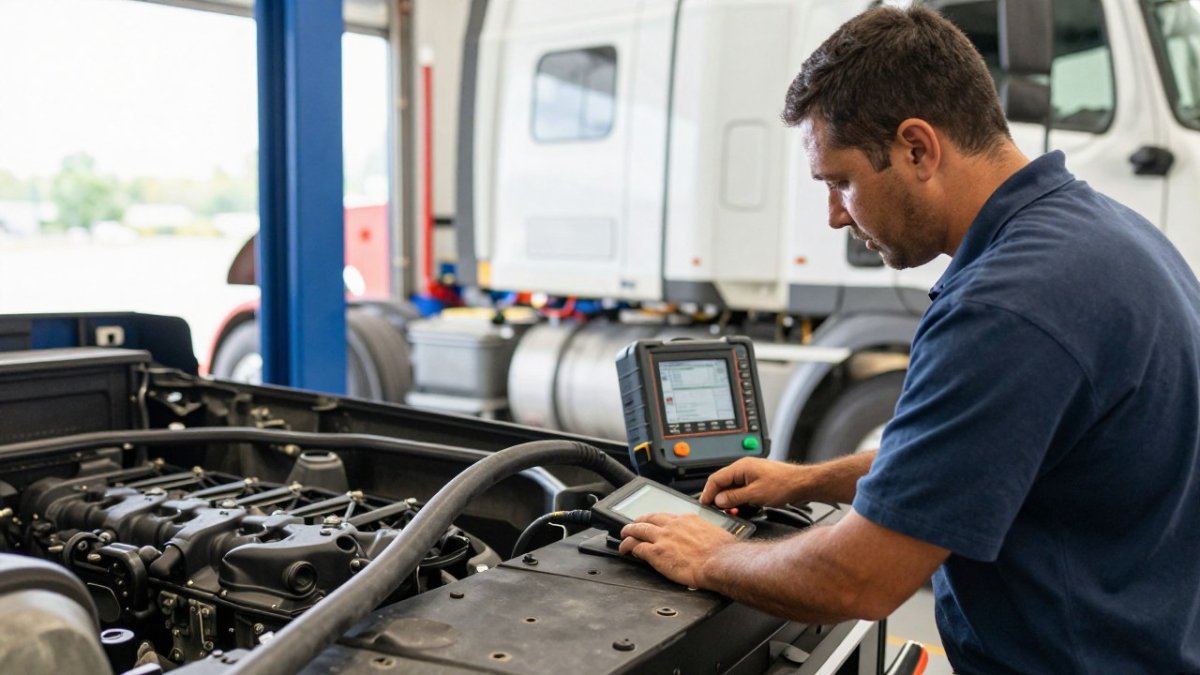
Diesel truck diagnostics is the difference between fixing the actual fault and replacing parts until the light goes away. A shop with the right scan tool reads the fault codes, checks live data, and pinpoints the failed component. A shop without it guesses, and you pay for the guesses.
This is the single biggest reason fleets switch shops. When a technician can pull fault codes from the engine, transmission, and aftertreatment systems and read live sensor data, the repair targets the real problem. That cuts parts costs and repeat visits. If you want the diagnostic side handled by specialists, our diesel engine diagnostics service is built around exactly that.
When Mobile Truck Repair Near Me Beats Towing to a Shop
Mobile truck repair near me questions usually come down to one thing: can the truck be fixed where it sits? If the fault is a hose, a belt, a sensor, or a brake adjustment, a mobile mechanic often finishes the job roadside and saves you the tow. If the repair needs a lift, a major component, or a full diagnostic bay, towing to the shop is the smarter call.
The deciding factors are simple. Faults that need heavy equipment or a lift go to the shop. Faults a mobile unit can reach and fix on site stay put. A shop that runs both options can tell you which one fits your breakdown. For a deeper look at the trade-offs, read our comparison of mobile truck repair vs shop service.
Truck and Trailer Repair Under One Roof
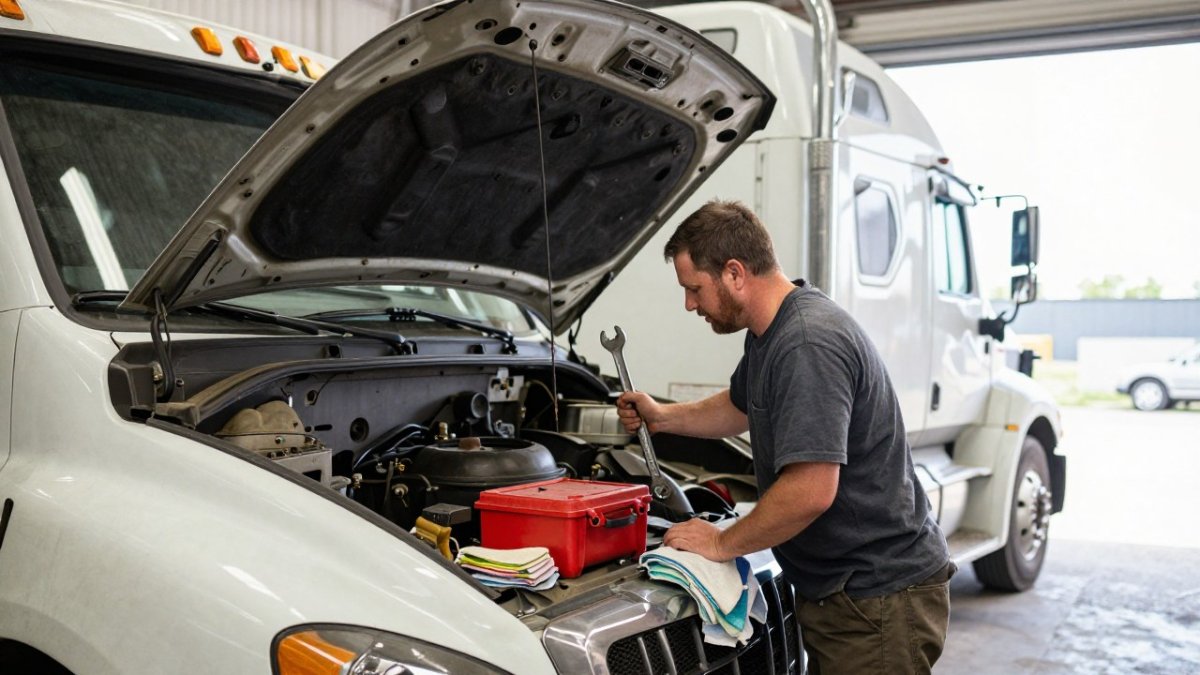
Truck and trailer repair under one roof eliminates the handoff that eats your day. When the tractor and the trailer are serviced by separate vendors, a trailer fault can sit waiting while the tractor is booked elsewhere. One shop handling both keeps the whole unit moving.
That covers dry van, reefer unit, and flatbed trailers, plus APU repair and chassis work. Ask whether the shop handles trailer brake systems, suspension and steering, and tire service on site. If your trailer needs attention, our trailer repair service keeps it in the same building as the tractor.
Preventative Maintenance Programs vs. Fix-It-When-It-Breaks
Preventative maintenance programs cost less than emergency repairs, and the gap widens with every avoided breakdown. Fixing things when they break feels cheaper month to month, but it trades predictable service intervals for unpredictable roadside bills and lost revenue. The deeper difference is that a maintenance program turns repair into a scheduled cost you can plan around, while breakdown repair is an emergency cost that arrives without warning.
A maintenance program can set inspection intervals for the components that fail most often and strand trucks most expensively:
- Brakes and air systems. Brake adjustment, lining thickness, slack adjuster travel, and air system leaks are checked on a set interval. Brake faults are among the most common roadside violations, and they are also among the cheapest to catch early.
- Fluids and filters. Engine oil, coolant, diesel exhaust fluid, and fuel filters are changed on a schedule tied to mileage or engine hours. Skipped fluid service is a common path to premature engine and aftertreatment wear.
- Tires and suspension. Tread depth, inflation, and suspension and steering components are inspected together, because tire wear patterns often reveal alignment or suspension faults before they become failures.
- Aftertreatment system. Diesel particulate filter and selective catalytic reduction systems are checked for fault codes and regeneration issues. Aftertreatment faults are a frequent cause of derate events, and a derate can take a truck out of service even when the engine itself is healthy.
- DOT inspection items. A maintenance program keeps the items a roadside inspection checks current, so compliance does not become an emergency. The Federal Motor Carrier Safety Administration sets the roadside inspection standards, and a shop that tracks those items on a schedule keeps your trucks from failing an inspection over a light, a brake adjustment, or a tire that could have been caught in the bay.
The trade-off is real. A maintenance program costs money on a schedule even in months when nothing is wrong, and that is the part fleets resist. The counterargument is that the scheduled cost is predictable and the breakdown cost is not. A single roadside breakdown can cost a tow, a mobile call, lost revenue, and a missed load, and those costs arrive all at once.
If you are weighing the upfront cost, our guide to the benefits of preventive fleet maintenance programs breaks down what a program actually prevents.
Book Your First Service Visit at Fairfield Truck Repair
Downtime is the enemy, and the right shop is your best defense against it. Fairfield Truck Repair handles heavy-duty truck repair, specialized diesel diagnostics, comprehensive fleet maintenance, and roadside service, with the aim of minimizing vehicle downtime for demanding fleets.
Stop losing days to breakdowns and guesswork. Get started with Fairfield Truck Repair and keep your fleet earning with expert heavy-duty repair, precise diesel diagnostics, and maintenance built around your schedule.
Frequently Asked Questions
How much do semi truck repairs cost?
Semi truck repair costs depend on the system involved, the parts required, and how much diagnostic time the job needs. A brake or suspension repair sits at a very different figure than an engine or transmission rebuild. Ask for a written estimate before work starts. A shop that explains what it found and why the repair is needed gives you a number you can budget against.
When should I choose mobile truck repair near me instead of towing to a shop?
Call for mobile service when the truck can be repaired safely where it sits: a failed alternator, a leaking air line, a bad sensor, or a tire issue. Towing makes sense when the truck needs a lift, a major teardown, or dealer-level equipment. A mobile mechanic saves you the tow bill and gets the unit rolling faster, but confirm the tech carries the parts and tools for your specific fault before you commit.
What should a semi truck repair shop offer?
Look for diesel diagnostics with real scan tools, engine and transmission repair, brake and air system work, suspension and steering, electrical and fuel system repair, trailer service including dry van and reefer units, DOT inspections, and roadside assistance. A shop that handles truck and trailer repair together saves you a second appointment. Ask whether the techs are certified and whether the shop works on your make and model before you hand over the keys.
How can I compare estimates from heavy-duty truck repair shops?
Ask every shop for the same three things: the diagnostic findings in writing, a parts-and-labor breakdown, and a timeline. Compare what each quote includes rather than the bottom line alone, since a cheap estimate that skips the root cause costs more later. Ask whether the price is firm or an estimate, and whether they charge for diagnostics if you approve the repair.