 Listicle
Expert Heavy Truck Engine Repair Service
Table of Contents
- What Makes Expert Heavy Truck Engine Repair Different
- Engine Diagnostics and Troubleshooting
- How to Read Semi Truck Fault Codes
- Preventative Maintenance Schedule for Diesel Trucks
- Full Engine Overhaul and Rebuild Services
- Semi Truck Engine Rebuild Cost and What Affects Pricing
- Mobile Diesel Repair and Roadside Assistance
- Fleet Maintenance Solutions and DOT Compliance
- Frequently Asked Questions
Last Updated: October 2, 2026
What Makes Expert Heavy Truck Engine Repair Different
When your diesel engine fails on I-80 at 2 AM, you don't want a generalist shop guessing at the problem. Expert heavy truck engine repair means something specific: factory-trained technicians with specialized diagnostic equipment, deep knowledge of Cummins, Caterpillar, and Detroit Diesel powertrains, and the ability to pinpoint internal wear or failed components before they compound into catastrophic engine failure.
At Fairfield Truck Repair, we offer expert heavy-duty truck repair and comprehensive fleet maintenance. The difference isn't just credentials, it's methodology. Most shops run basic diagnostics and replace components until something works. Expert heavy truck engine repair starts with precision fault code analysis, oil sampling, and pressure testing to identify the root cause, not just the symptom. This approach saves fleet operators thousands in unnecessary repairs and prevents repeat breakdowns.
What separates a truly expert operation is the ability to handle both routine diagnostics and complex engine rebuilds under one roof. You need a shop that understands preventive maintenance schedules, can read the data your truck is telling you, and has the mechanical integrity to execute major overhauls without cutting corners. That's what professional heavy truck engine repair service delivers.
Engine Diagnostics and Troubleshooting
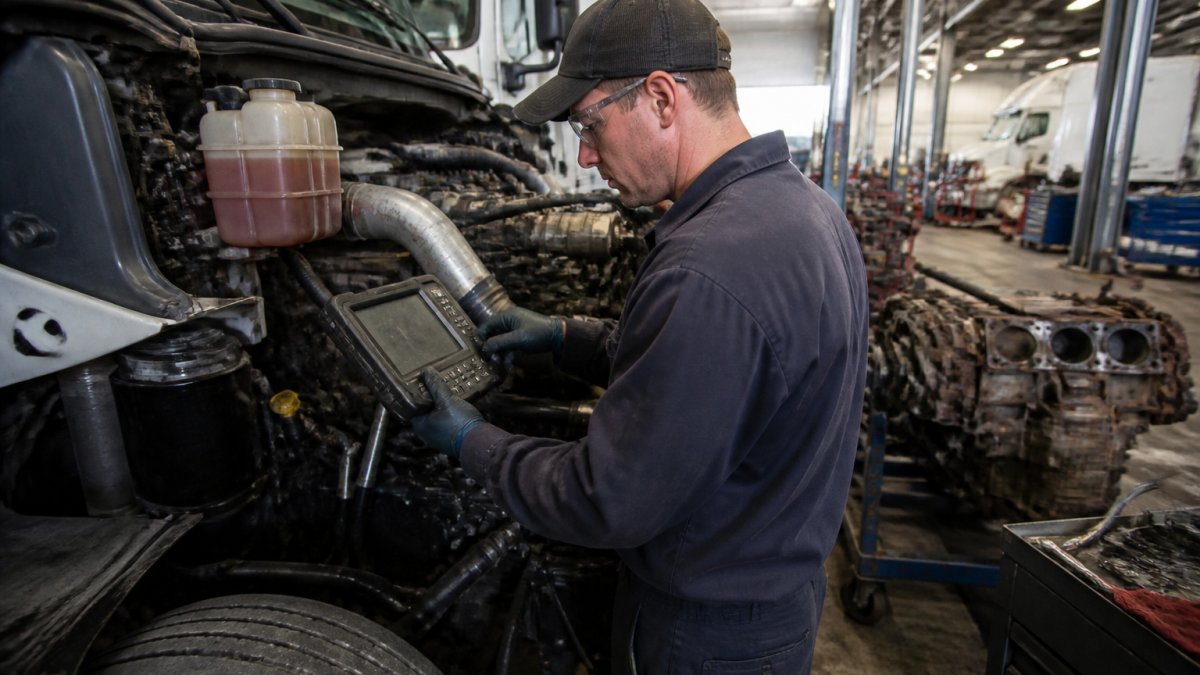
Modern diesel engines communicate through fault codes, if you know how to listen. Engine diagnostics separate shops that understand your truck from those that don't. When your check engine light comes on, a proper diagnostic process involves connecting to the engine's onboard computer, reading stored and pending codes, performing live data analysis, and cross-referencing findings with pressure tests and visual inspection.
Factory-trained technicians know that a single fault code can point to multiple root causes. A code for low fuel pressure might mean a failing fuel pump, a clogged filter, or a faulty sensor. An expert diagnostic process eliminates guesswork. This is where Fairfield Truck Repair's approach matters, we use state-of-the-art diagnostic equipment to measure electrical signals, fuel delivery, turbocharger boost pressure, and cooling system performance in real time. The goal is identifying the actual failure point, not replacing parts until the light goes away.
Electrical troubleshooting deserves its own focus. Heavy-duty trucks rely on complex electrical systems for engine management, air brake systems, and transmission control. A single corroded connector or failed sensor can trigger cascading faults. Expert diagnostics include thermal imaging to spot heat anomalies, multimeter testing of circuits, and load testing of alternators and batteries. This level of detail is what prevents repeat failures that plague shops without specialized electrical expertise.
How to Read Semi Truck Fault Codes
Fault codes are the truck's way of telling you what's wrong. Understanding them separates informed fleet managers from those flying blind. A fault code is a five-digit number, the first digit identifies the system (powertrain, body, chassis, or network), the second digit indicates fault type (current or historical), and the remaining digits pinpoint the specific circuit or component.
Take a common code: P0087, which means "fuel rail pressure too low." That code tells you the engine detected insufficient fuel pressure to the injectors. But it doesn't tell you why. Is the fuel pump failing? Is the filter clogged? Is the pressure regulator stuck? Is a sensor reading incorrectly? That's where expert diagnosis comes in. A factory-trained technician reads the code as a starting point, then uses live data and pressure testing to isolate the actual problem.
Many owner-operators try to diagnose codes using free online tools. That's dangerous. A code might appear straightforward, but context matters. Engine temperature, load, RPM, and recent repair history all influence what a code actually means. For semi-truck engine rebuild decisions, accurate code reading is critical, you need to know if the engine needs a full overhaul or just a component replacement.
Preventative Maintenance Schedule for Diesel Trucks
Preventive maintenance isn't optional for heavy-duty diesel engines, it's the difference between managing costs and facing catastrophic failure. A structured preventative maintenance schedule for diesel trucks follows manufacturer recommendations and adjusts for your specific operating conditions. If you're hauling heavy loads in mountainous terrain with frequent idling, your maintenance intervals will differ from highway operations.
The core preventative maintenance schedule includes oil and filter changes every 15,000 to 25,000 miles, depending on oil type and engine manufacturer. Synthetic oils extend intervals; conventional oils require more frequent changes. Air filter replacement typically happens every 15,000 to 30,000 miles, but dusty conditions demand more frequent service. Fuel filters need attention every 10,000 to 15,000 miles to prevent water accumulation and microbial growth in the tank.
Beyond fluids and filters, preventative maintenance includes coolant system flushing every 100,000 miles, transmission fluid analysis to catch wear patterns early, and inspection of belts, hoses, and electrical connections.
Oil analysis deserves special attention. Regular oil sampling reveals internal wear patterns, high iron content suggests cylinder wall scoring, elevated copper points to bearing wear, and silicon indicates air filter bypass. These early warning signs let you schedule an engine overhaul during planned downtime instead of facing catastrophic failure on the road. This is where fleet maintenance solutions differentiate professional operations from reactive shops.
Full Engine Overhaul and Rebuild Services
An engine overhaul and a rebuild are not the same operation, and the distinction matters for your decision-making. An overhaul involves disassembling the engine, inspecting all components, replacing worn parts like gaskets and seals, and reassembling with precision tolerances. A rebuild goes further, it includes machining the cylinder block, replacing internal components like pistons and rings, and restoring the engine to like-new condition.
Semi Truck Engine Rebuild Cost and What Affects Pricing
The cost decision often comes down to engine longevity. A quality rebuild extends engine life significantly, which justifies the upfront investment for fleets that keep trucks in service long-term. For operators planning to sell or trade vehicles soon, a rebuild may not pencil out financially.
Mobile Diesel Repair and Roadside Assistance
Not every breakdown can be resolved roadside. Major engine overhauls, transmission rebuilds, and complex electrical faults require shop equipment. A professional mobile service knows the difference and will transport your truck to the nearest capable facility if needed. The advantage is that the initial diagnosis happens at your location, saving time and preventing unnecessary towing to the wrong shop.
Fleet Maintenance Solutions and DOT Compliance
For distribution centers and logistics operations, fleet maintenance solutions also reduce insurance costs. The upfront investment in preventive maintenance pays dividends through fewer emergency repairs and improved vehicle availability.
Frequently Asked Questions
What should I look for in a certified heavy truck engine repair shop?
Look for shops with factory-trained technicians who specialize in diesel engines and have experience with your specific engine brand (Cummins, Caterpillar, Detroit Diesel). Verify they use professional diagnostic equipment, offer transparent estimates, and provide warranty coverage on repairs. Ask about their experience with your vehicle type and whether they offer mobile repair and roadside assistance for emergencies.
How often should heavy-duty trucks undergo engine diagnostics?
Heavy-duty trucks should have engine diagnostics performed at least annually or according to your preventative maintenance schedule. If you notice performance issues, reduced fuel efficiency, warning lights, or unusual sounds, get diagnostics immediately. Fleet operators running vehicles 24/7 may benefit from more frequent checks to catch internal wear and failed components before they cause breakdowns on the road.
What are the most common causes of heavy-duty diesel engine failure?
The most common causes include inadequate oil changes, fuel contamination, coolant system failures, turbocharger damage, and air brake system issues. Neglecting preventive maintenance accelerates internal wear. Extended idle time, improper load management, and operating outside manufacturer specifications also contribute to premature engine failure. Regular oil analysis and adherence to maintenance schedules prevent many of these issues.
How much does a professional semi-truck engine overhaul typically cost?
Semi truck engine overhaul costs vary based on engine type, severity of damage, and required component replacement. Factors include whether you're rebuilding internal components, replacing the cylinder head, or addressing turbocharger and cooling system issues. Contact a certified shop for a detailed estimate after diagnostics. Preventive maintenance now can avoid the higher costs of a full overhaul later.
What's the difference between a minor engine repair and a full rebuild?
Minor repairs address specific failed components like fuel injectors, gaskets, or air brake system parts without major disassembly. A full engine rebuild involves complete disassembly, inspection of all internal components, replacement of worn parts (pistons, rings, bearings), and reassembly to factory specifications. Rebuilds restore engine performance to near-new condition and typically include a warranty, making them cost-effective for heavily worn engines.
Your fleet's reliability depends on expert heavy truck engine repair and preventive maintenance. Fairfield Truck Repair brings factory-trained diagnostics, specialized diesel expertise, and comprehensive fleet solutions to keep your trucks running. Contact us for a fleet maintenance consultation and learn how structured preventive care reduces downtime and extends engine longevity. With mobile roadside assistance and DOT compliance support, we're your partner for operational efficiency.